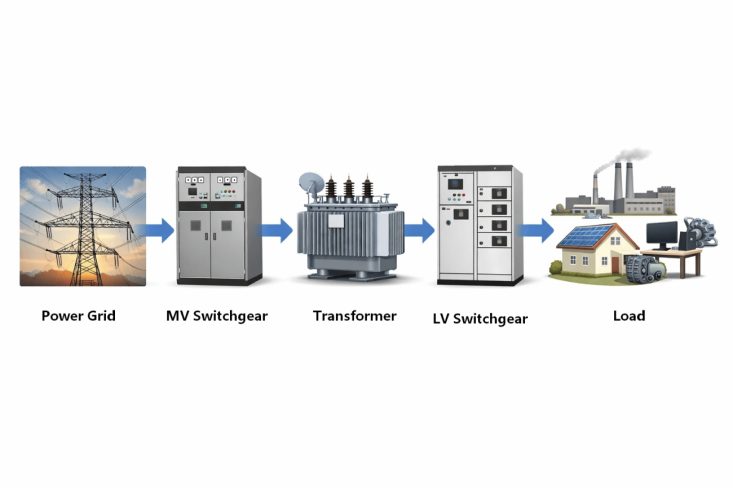
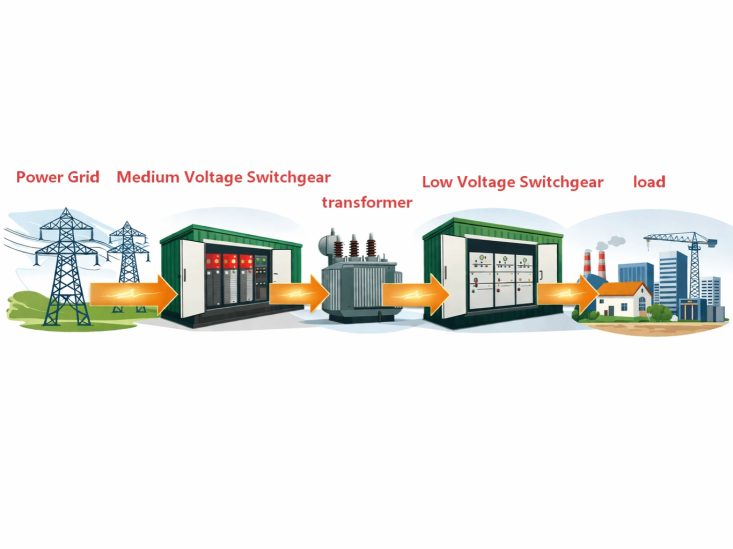
Schematic Diagram of Power Flow in a Prefabricated Substation

How Does a Prefabricated Substation Work?

The operating principle of a prefabricated substation essentially involves receiving high-voltage electricity from the power grid—typically at 10kV or 35kV—and, through a process of reception, control, voltage step-down, and distribution, safely and stably converting it into low-voltage electricity suitable for end-user consumption. Throughout this entire process, the reliability of operations is safeguarded by integrated protection…
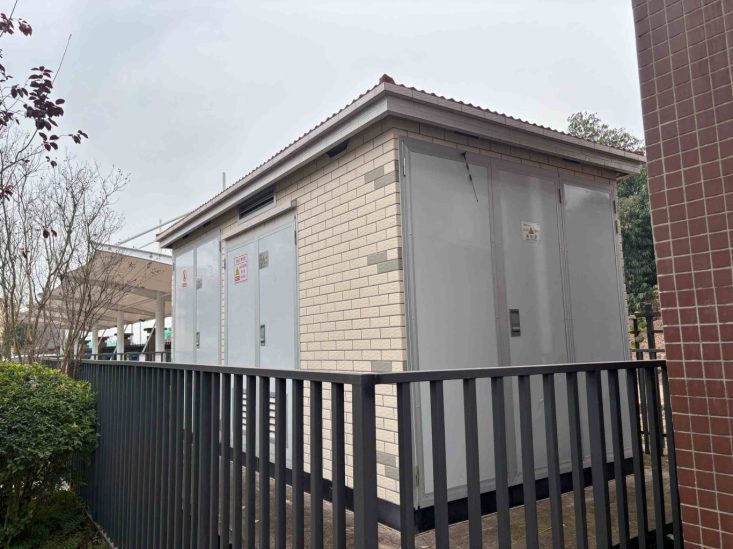
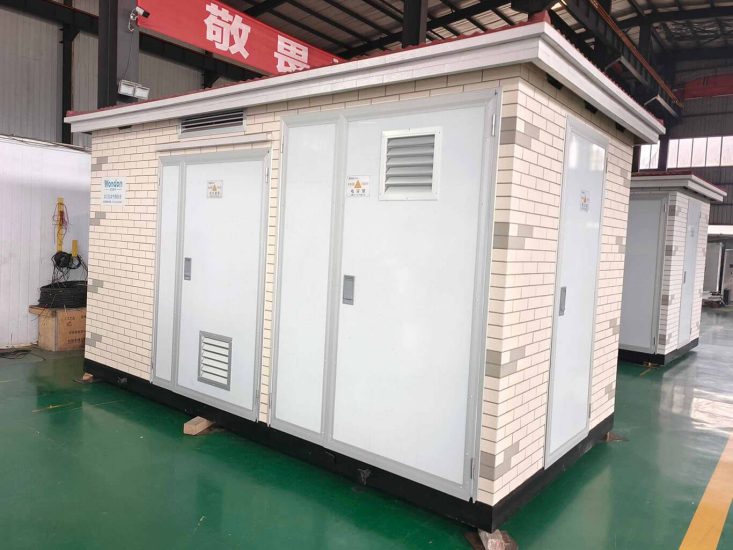
Outdoor substation with brick-patterned enclosure

How to Choose the Right Prefabricated Substation?

Selecting a prefabricated substation involves a clear and practical decision-making process. By following the steps outlined below, you can avoid common pitfalls and identify the solution that is truly best suited for your specific project. 1. Accurately Calculate Total Electrical Load Begin by compiling a comprehensive inventory of all electrical equipment at the site—including lighting,…

prefabricated compact substation for outdoor use

What Is a Prefabricated Substation?

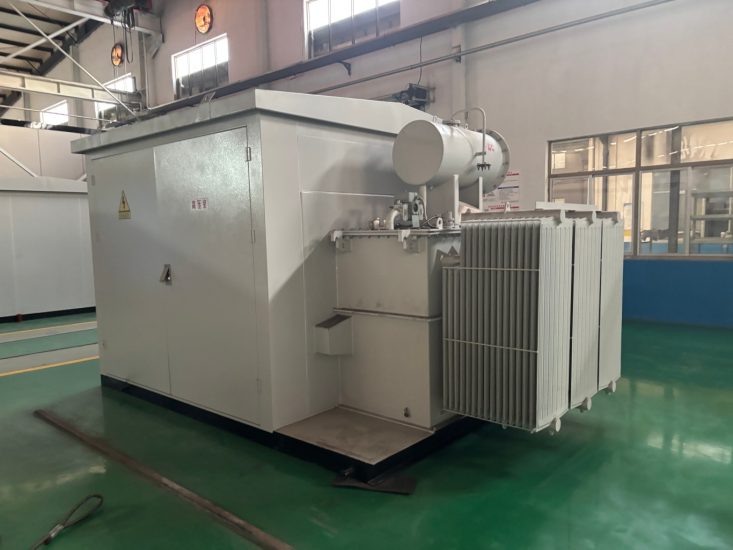
A prefabricated substation is a complete power supply unit in which a full suite of electrical equipment—including medium-voltage switchgear, transformers, low-voltage switchgear, as well as protection and monitoring systems—is fully assembled, wired, and commissioned at the factory before being housed within a unified, sealed enclosure. Unlike traditional substations, this system eliminates the need for time-consuming…

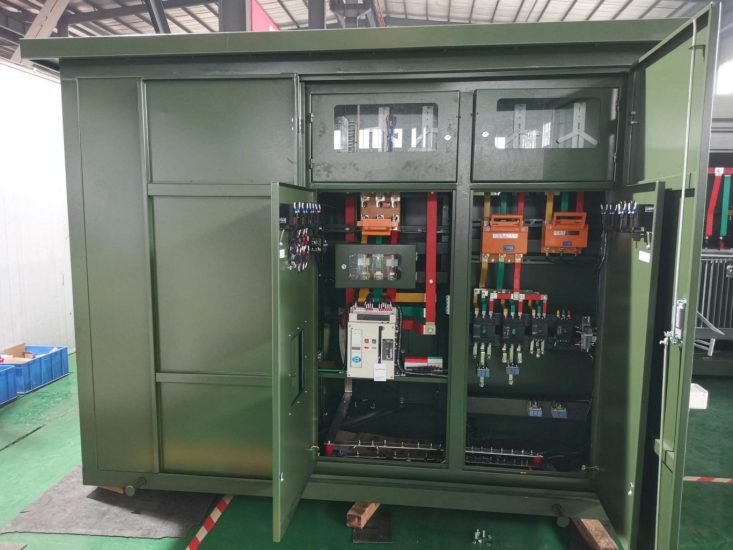
Kiosk Substation with Low-Voltage Side Doors Open

How Does a Kiosk Substation Work?

As a core component of outdoor medium-to-low voltage power supply systems, the operational logic of a kiosk substation is not complex; in essence, it involves the “front-end control, voltage step-down, and rational distribution” of the electricity transmitted by the power grid. 1. Incoming Lines The 10kV or 35kV medium-voltage power transmitted from the power grid…

kiosk substation for commercial and industrial power distribution

How to Choose the Right Kiosk Substation?

When selecting a kiosk substation, one should not focus solely on appearance and price; fundamentally, the overall configuration must be determined by integrating actual power demand, the on-site installation environment, and compatibility with the power grid system. 1. Determine Capacity First, calculate the project’s total load power, then determine the required transformer capacity. The general…

Outdoor prefabricated substation

What Is a Kiosk Substation?

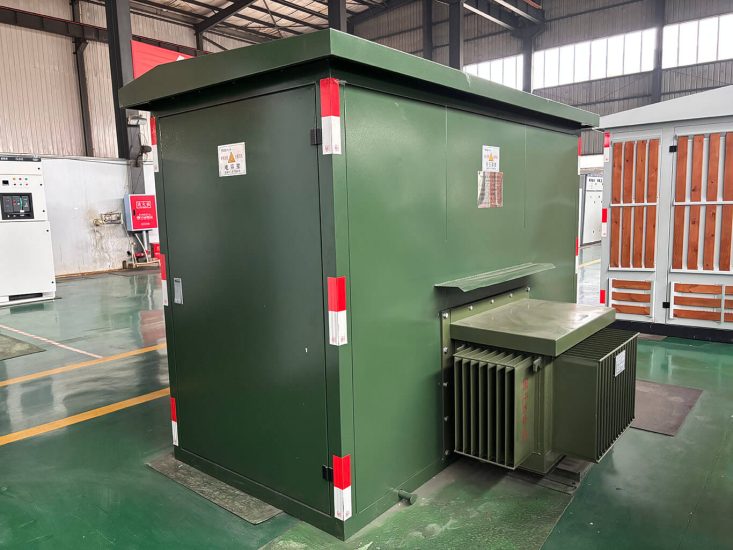
The “kiosk-style” substation does not imply that its enclosure is physically shaped like a pavilion; rather, the term is used to highlight its characteristics of overall compactness and minimal footprint. This type of outdoor, integrated substation integrates medium-voltage switchgear, low-voltage distribution equipment, and associated auxiliary devices within a single enclosed housing. The transformer, however, is…

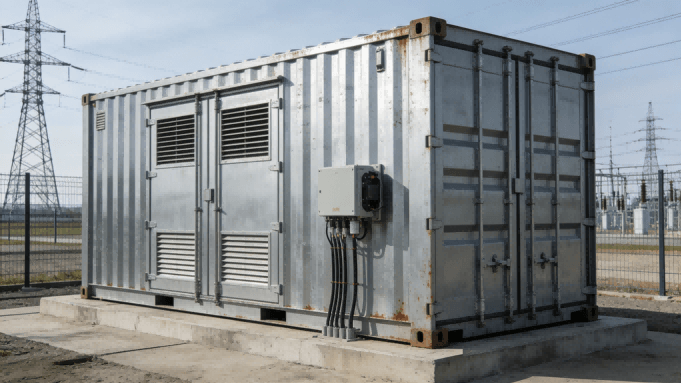
power flow in containerized substation

How Does a Containerized Substation Work?

The containerized substation functions as a self-contained, integrated power conversion unit, operating via a straightforward process. Upon connection to the utility grid, incoming power first passes through the medium-voltage switchgear housed within the container. This switchgear is responsible for connecting and disconnecting circuits; additionally, it incorporates fault protection capabilities to facilitate the preliminary control and…

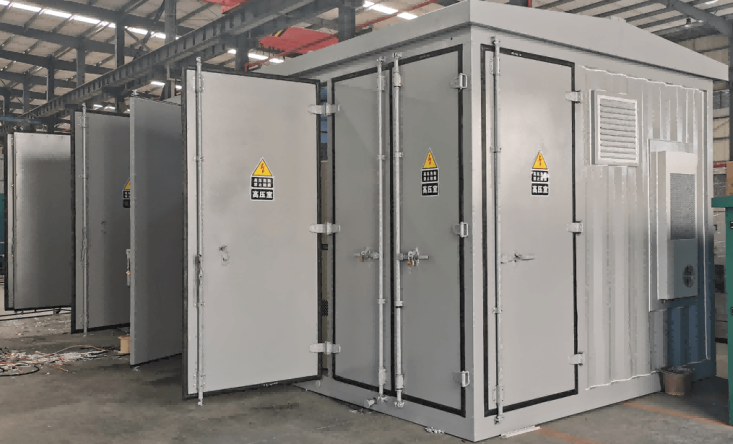
Containerized Substation in factory

What Is a Containerized Substation?

A containerized substation is a complete set of power distribution equipment that arranges medium-voltage power distribution equipment, power transformers, low-voltage power distribution equipment, as well as auxiliary devices such as control, protection, metering, reactive power compensation, etc., reasonably and compactly in a fully enclosed steel box that has been treated with anti-corrosion and thermal insulation…

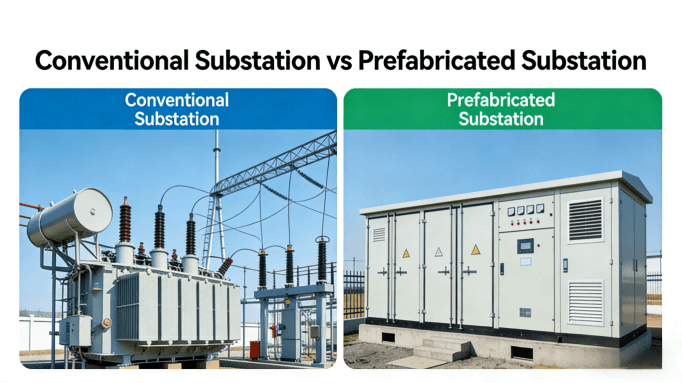
Prefabricated Substation vs Conventional Substation

Prefabricated vs Conventional Substation Differences

In today’s power system construction, traditional substations and prefabricated substations are the two most commonly used construction methods. They differ significantly in terms of construction method, installation time, space occupation, and application scenarios. 1. Construction method The construction of a traditional substation generally involves on‑site preparation first, followed by transporting equipment such as transformers, low‑voltage…