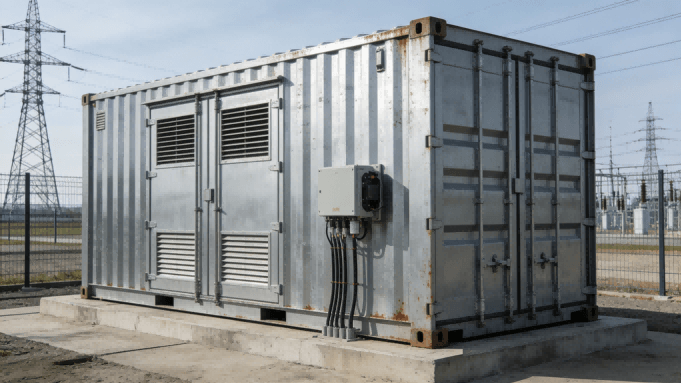

Nowadays, power systems are paying more and more attention to modularization and fast deployment. containerized substations, because they are easy to use, easy to install, and take up little space, are being used more and more in places like industrial parks, new energy power stations, mining areas, and overseas projects. But each project has different requirements for voltage level, power load, and environmental conditions. How do you choose a truly suitable one? Just look at these few aspects.
1. Determine the power load
All the equipment that needs electricity on the construction site or in the plant area must be counted, especially that starts and runs at the same time. The total power cannot be missed or wrong. Also, it’s best to leave an extra 20% to 30% margin. In case equipment is added or production is expanded later, you won’t have to rework and modify, saving money and not delaying the schedule.
2. Voltage level and system structure
Containerized substations generally have two levels: input and output, for example, 10kV/0.4kV or 35kV/0.4kV. When selecting, you also have to make clear whether the project has grid connection requirements, needs dual power switching, or connects to new energy. These conditions are set in advance so that problems don’t arise later.
3. Environmental conditions
TIn places with high temperatures all year round or very cold, the equipment must be able to withstand extreme temperatures; in coastal areas with a lot of salt spray, special anti-corrosion treatment is needed; in mining areas and deserts with heavy dust, dust prevention must be done well; in high-altitude areas with low air pressure, the insulation performance needs to be optimized. Protection levels like IP54, IP55 – the higher the level, the better the dust and water resistance. For outdoor or coastal use, choose a higher one. Heat dissipation in high-temperature areas cannot be sloppy; equip good heat dissipation equipment so that there are fewer failures.
4. Core equipment configuration
The transformer is the heart. The oil-immersed type is cheap and dissipates heat well, suitable for outdoor heavy loads; the dry type has good fire resistance and low noise, suitable for indoors or places with high environmental requirements.
The medium-voltage switchgear takes care of input side protection, selected according to voltage and short-circuit current, to ensure fast power cutoff in case of failure; the low-voltage switchgear is responsible for distributing power and must match the load.
If the requirements for power quality are high, reactive power compensation must also be added to reduce losses.
5. Intelligence
Intelligence is basically included nowadays. You can remotely view voltage, current, and temperature without having to run to the site every day to read meters and inspect; if the equipment is not right, it can give an early warning and alarm when a fault occurs, so you can deal with it in time; it can also count power consumption and save electricity costs, truly achieving unattended operation. For overseas projects or large industrial projects, sending people on-site is troublesome and expensive. With this system, you can manage remotely, saving a lot of labor and operation/maintenance costs.
6. Transportation and installation conditions
The containerized substation is transported and installed as a whole. When designing and purchasing, you have to think it through: the dimensions must comply with road, railway or marine transport limits, cannot exceed width, height or weight; whether the site has lifting conditions, whether the crane and space are enough; prepare the foundation in advance, flat and firm; also check the access road to make sure the transport vehicle can get in without damaging the equipment. Only when all these details are taken care of can it be put into use smoothly.