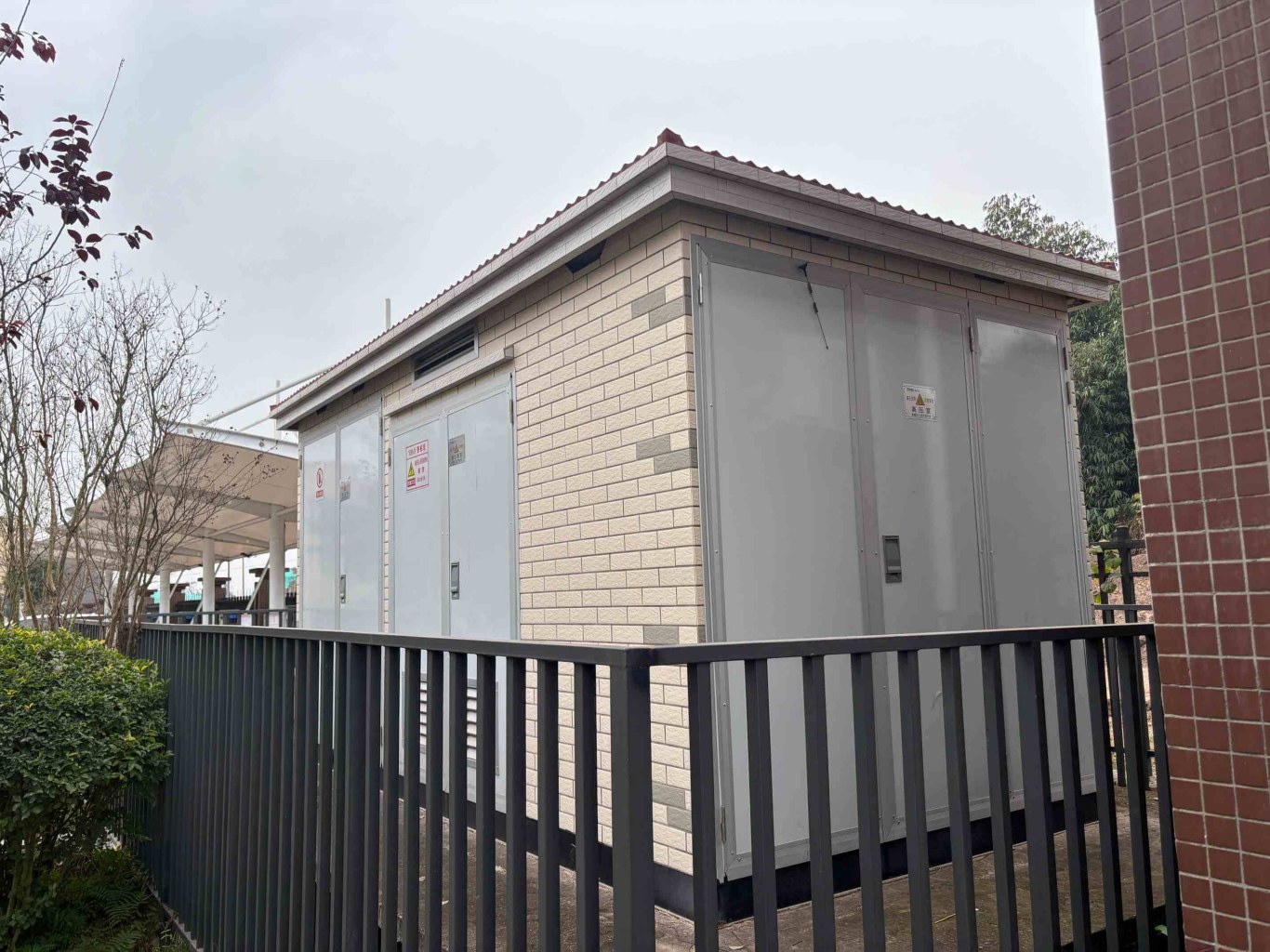

Selecting a prefabricated substation involves a clear and practical decision-making process. By following the steps outlined below, you can avoid common pitfalls and identify the solution that is truly best suited for your specific project.
1. Accurately Calculate Total Electrical Load
Begin by compiling a comprehensive inventory of all electrical equipment at the site—including lighting, air conditioning, power machinery, office electronics, and more—to determine the total power capacity and typical daily load. It is particularly critical to identify the peak load during periods of maximum demand; this factor directly determines whether the transformers and switchgear can withstand the operational stress. Additionally, be sure to reserve adequate capacity for future expansion to prevent the system from becoming insufficient later on.
2. Define Voltage Levels to Ensure System Compatibility
Based on local grid regulations and the operating voltage requirements of your end-use equipment, determine the appropriate medium-voltage input level and low-voltage output level for the substation. A voltage mismatch can lead to unstable power supply and significant energy losses; furthermore, it can compromise equipment lifespan and even pose serious safety hazards within power distribution panels.
3. Select the Substation Type Based on the Specific Application Scenario
Taking into account the installation location, operating environment, and safety requirements, determine the overall configuration of the substation:
Whether it will be installed indoors or outdoors.
Whether to utilize oil-immersed transformers (known for superior heat dissipation) or dry-type transformers (known for greater safety and environmental friendliness);
Whether the primary focus is on heavy-duty industrial applications, stable commercial power supply, or low-noise, high-safety residential environments.
4. Prioritize Protection Planning
Based on the project’s risk level, ensure that all necessary protective functions are fully implemented—including short-circuit protection, overload protection, lightning protection, surge suppression, fire protection, and safety interlocks. Protective components must not only be comprehensive but also feature appropriate parameters and coordinated layering to ensure a rapid response in the event of a fault.
5. Thoroughly Assess On-Site Environmental Factors
Conduct an on-site assessment of the installation location’s environmental conditions: temperature range, humidity levels, dust concentration, presence of corrosive gases, and the need for seismic-resistant design. These factors directly influence the required enclosure protection rating, heat dissipation method, and equipment durability; they must not be overlooked.
6. Prioritize Reliable and Proven Core Components
For critical components—such as transformers, switches, and circuit breakers—it is imperative to select products that have been validated by the market and demonstrate consistent quality. Verifying the manufacturer’s credentials, reviewing test reports, and examining actual operational case studies are far more important than simply comparing prices.
7. Conduct a Comprehensive Cost Analysis—Look Beyond the Purchase Price
Do not limit your comparison to the initial acquisition cost; you must also factor in long-term electricity consumption losses, maintenance frequency, repair expenses, and potential losses due to downtime. Equipment that is highly energy-efficient and easy to maintain often proves to be the more cost-effective choice over the long term.
8. Verify Compliance with Standards and Certifications
Ensure that the substation complies with applicable national and international electrical standards, and that it holds all necessary quality, safety, and environmental certifications. This is not merely a regulatory requirement, but also a fundamental prerequisite for successful final acceptance and safe, reliable long-term operation.
9. Final Selection, Acceptance, and Commissioning
After comprehensively evaluating all relevant factors, select the substation solution that best meets your specific needs. If conditions permit, conduct factory acceptance testing prior to shipment; upon delivery to the site, complete the installation, wiring, and commissioning processes to ensure a successful initial energization and stable, reliable operation.