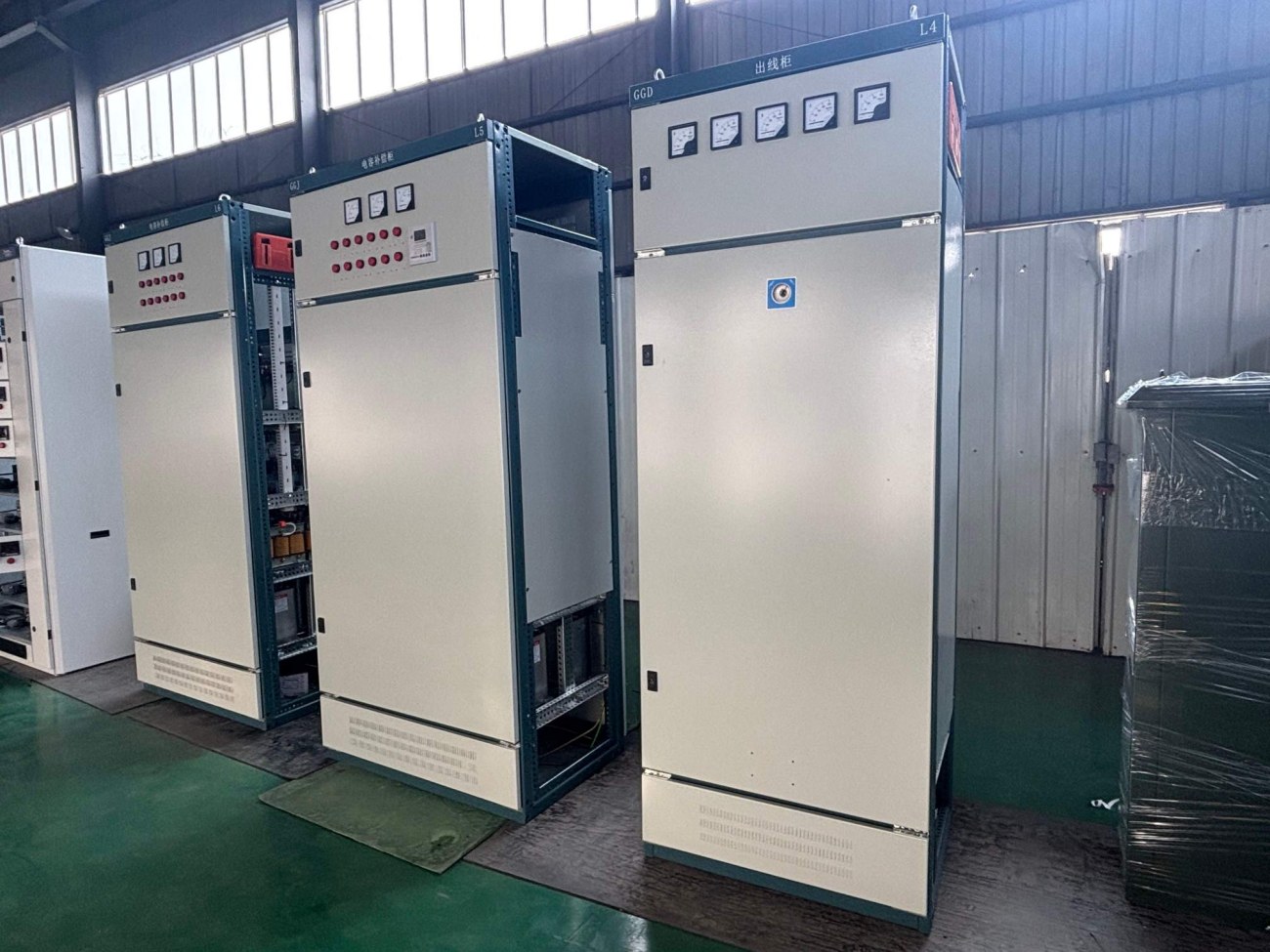

By understanding the main cost factors of low voltage switchgear, improve project budget planning, compare different solutions more effectively, and avoid unexpected costs during installation.
1. Equipment configuration and functional requirements
A basic power distribution system only needs conventional protection and control functions. More advanced systems may include additional functions such as monitoring and communication interfaces, which is like adding an “upgrade package” to the equipment, so the price is naturally different.
The number of feeders, protection devices, and control components equipped in the system also directly affects the total cost.
2. Rated capacity and electrical parameters
Rated current, voltage level, and short‑circuit capacity are key technical parameters that affect the design of low voltage switchgear. Systems designed to handle higher current levels require more reliable internal structures and protection devices. If the fault current level is very high, the low voltage switchgear must be able to safely withstand and reliably interrupt the current, which means using enhanced materials and higher‑performance components.
3. Installation environment
The operating environment of low-voltage switchgear directly affects its design and cost. Outdoor or harsh environments require additional protection functions. Projects located in conditions with high humidity, high dust, or high vibration require enhanced enclosure protection and the use of specialized materials.
4. Transportation, installation, and commissioning requirements
Large or complex low-voltage switchgear systems require careful packaging, handling, and installation planning.
Projects located in remote areas or areas with limited infrastructure may involve additional logistical considerations.