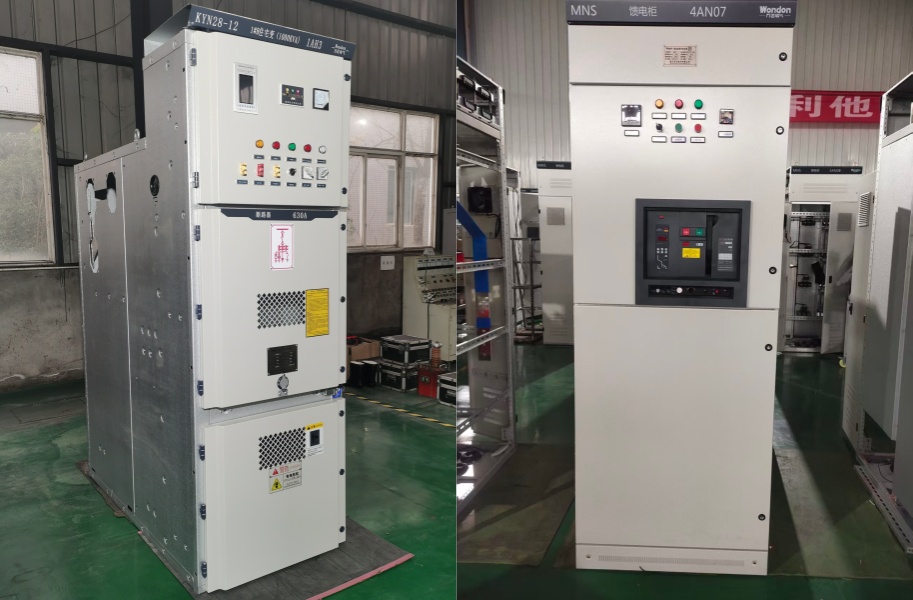

Choosing the right switchgear is an important step in building a safe and reliable power system.
1. Voltage Rating
When selecting switchgear, the first thing to consider is the system voltage rating. The equipment needs to match the actual operating voltage of the grid to prevent insulation issues, ensuring safe and reliable operation. Consider the overall system design, such as transformers and connected loads, to ensure the chosen switchgear can handle the required power capacity without creating unnecessary constraints.
2. Installation Environment
Factors like available space, temperature, humidity, dust concentration, and ventilation can all affect equipment performance.
If the installation site has limited space or harsh environmental conditions, planning ahead is necessary to ensure the switchgear does not overheat or face external risks.
Considering these factors at the start of the project can save a lot of maintenance headaches down the road and ensure more stable long-term operation.
3. Planning for Future Expansion
The scale of an electrical system often grows over time, such as when new equipment is added or capacity is increased. So when selecting switchgear, leaving some spare feeder space in advance or choosing a flexible configuration will make future expansion much easier. This forward-thinking approach not only reduces downtime during future upgrades but also helps keep long-term project costs under control.