
Choosing a renewable energy system is not just about picking a technology—it’s about finding a solution that fits the project location, power needs, and future plans.
1. Assess local energy resources
Different energy sources perform very differently under different natural conditions, so choosing the right energy source starts with looking at the environment.
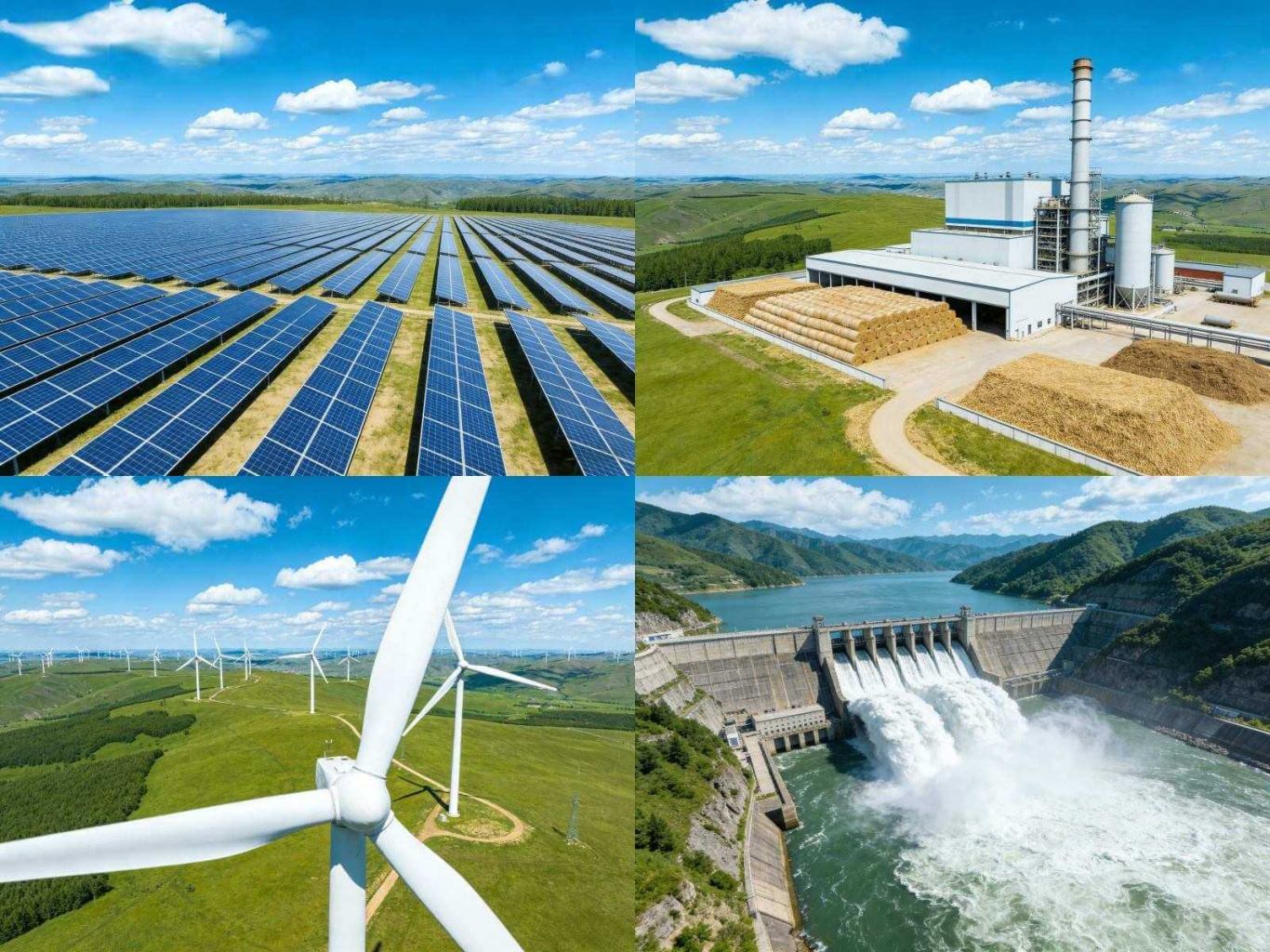
If the local area has plenty of stable sunlight, solar power is a good choice—open space with little shade gives better generation results. If wind is strong and steady, wind power is a good fit—coastal areas and higher ground that’s open and unobstructed tend to have good wind conditions. If there’s a reliable water source with a natural drop in elevation, hydropower can be considered. In areas rich in agricultural or forestry waste, biomass energy can also be used.
2. Actual power needs of the project
Once you’ve chosen the energy type, the next step is to figure out how big the system should be. This is one of the most common questions during the selection process.To determine the right size, the key is to estimate the total power demand.
3. Whether energy storage is needed
If the project depends on a continuous power supply—like a manufacturing facility or critical infrastructure—then storage can help keep things running when generation is low. But if the system is connected to a stable grid, large batteries may not be needed, since the grid can act as a backup.
4. Room for future expansion
Many projects grow over time, adding equipment, expanding facilities, and increasing electricity demand.
Leaving some capacity in the system allows for flexible planning, making it possible to add solar panels, wind turbines, or storage units when needed.
5. Evaluate the budget and long‑term return on investment
Look at the total cost over the entire lifecycle.
This includes the cost of equipment, installation, maintenance, and the expected long‑term generation output. Return on investment should also factor in the electricity bills saved, reduced reliance on traditional energy, and any subsidies or policies available in your area.