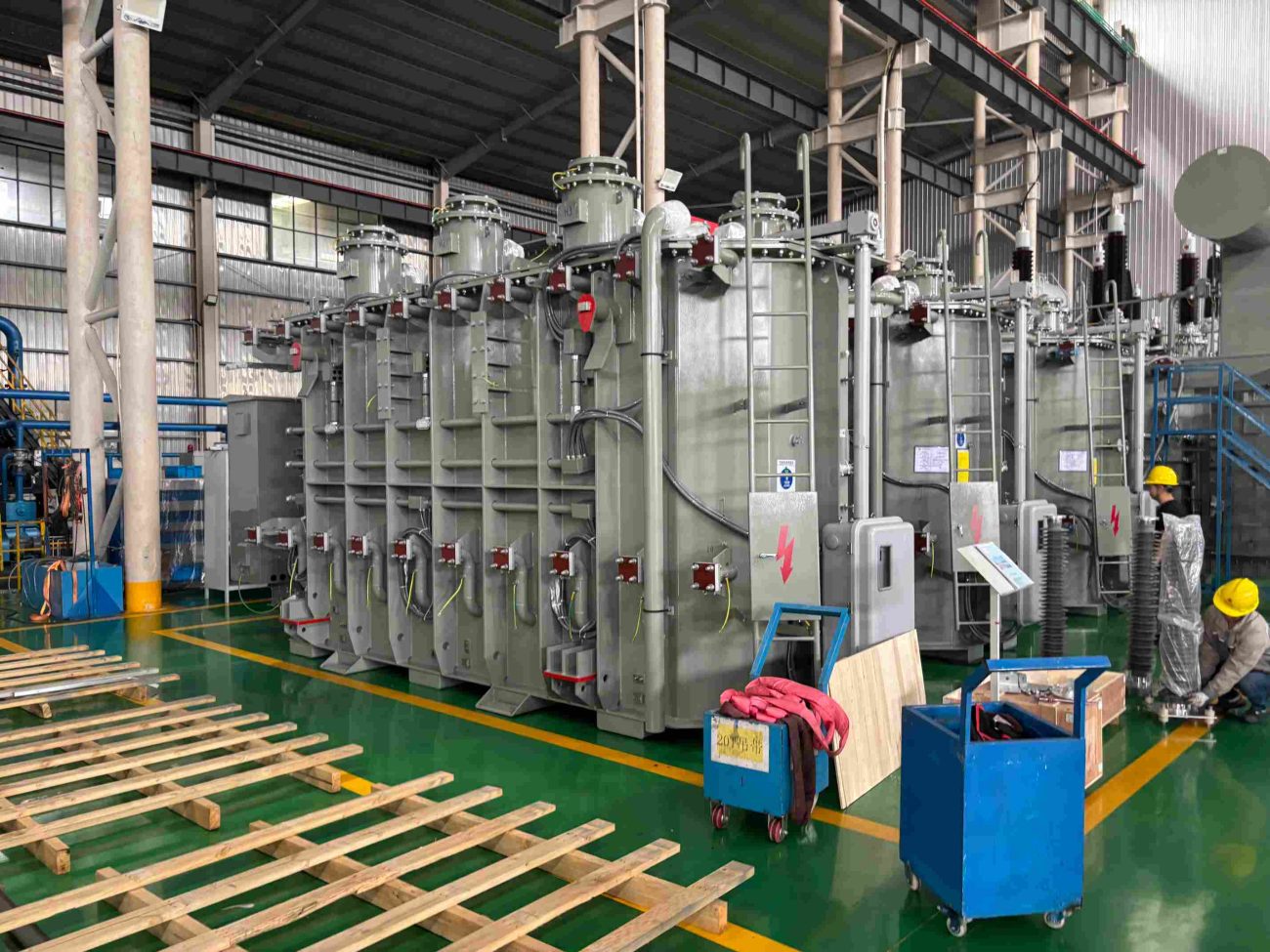

Choosing a suitable power transformer is particularly critical for ensuring a reliable power supply, efficient system operation, and long equipment life. The correct selection of a power transformer not only meets current power demands but also leaves room for future expansion. The following factors deserve the most attention.
1. Confirm load requirements
Calculate the electricity consumption of all connected equipment clearly and determine how much capacity the transformer needs. The rated capacity should be sufficient to handle full load; never let it run at maximum capacity all the time. It is best to reserve some margin so that when power consumption increases later, replacement or system upgrades are avoided.
2. Confirm voltage level matching
The input voltage and output voltage of the transformer must exactly match the on‑site power supply and the power consumption system.
3. Consider the installation environment and cooling method
The installation location of the power transformer, along with environmental factors such as temperature, humidity, dust, and ventilation conditions at the site, will affect its life and reliability.
The cooling method must match the operating conditions and installation space to ensure controllable temperature and stable operation.
4. Installation space and layout
Measure the size of the installation area in advance. The dimensions and layout of the transformer must fit, and sufficient space must be left for future maintenance and inspection.
5. Comply with standards, and facilitate future maintenance and expansion
Be sure to select products that comply with relevant electrical standards and safety regulations, so that quality and reliability are guaranteed, and acceptance inspection is trouble‑free. Prioritize transformers that are easy to maintain and monitor, and preferably with some spare capacity, so that adding load later does not require major system changes, saving trouble and money.