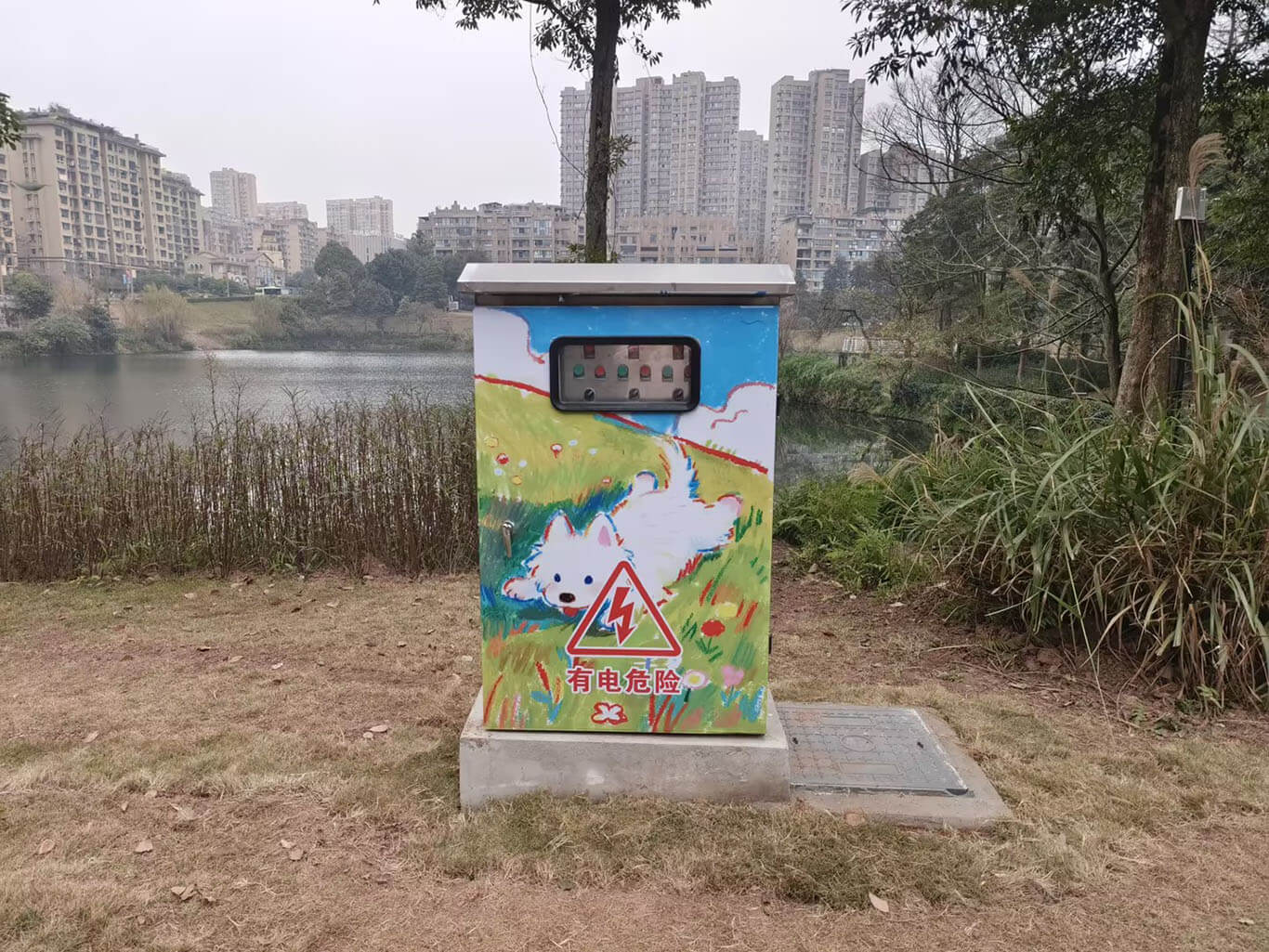

Choosing the right power distribution cabinet is very important for the safe, stable, and efficient power supply of an electrical system. A good power distribution cabinet must not only meet current needs but also leave room for future expansion. The following factors deserve the most attention.
1. Installation environment
Where the power distribution cabinet is installed directly determines what kind of protection it needs. For indoor environments like offices or shopping malls, a standard enclosure is sufficient; but outdoors, or in places with a lot of dust, humidity, or vibration, materials and enclosures that can withstand these conditions must be selected.
2. Calculate load capacity and leave room for expansion
Add up the power of all connected equipment, calculate the total electrical load clearly, and determine how many output circuits are needed. The rated capacity of the power distribution cabinet should easily handle the current load; do not let it run at full load. It is best to reserve some capacity so that when power demand increases later, there is no need to replace equipment, saving trouble and money.
3. Choose the right size and internal layout
The size of the power distribution cabinet must match the number of components, the number of circuits, and the wiring requirements.
If the internal space is large enough, installation is easy, heat dissipation is good, and future maintenance is more convenient. A reasonable layout and neat wiring also reduce the risk of overheating and faults. A reasonable layout can also improve the connection efficiency with busbar trunking systems or other power distribution units, making the overall system neater and more reliable.
4. Pay attention to safety protection and standard compliance
The power distribution cabinet must be equipped with reliable protection devices, with proper grounding and insulation. It is best to have a lockable door or protective cover to prevent accidental contact and unauthorized operation. At the same time, be sure to select products that comply with relevant electrical standards and safety regulations, so that quality and reliability are guaranteed, and acceptance inspection goes smoothly.