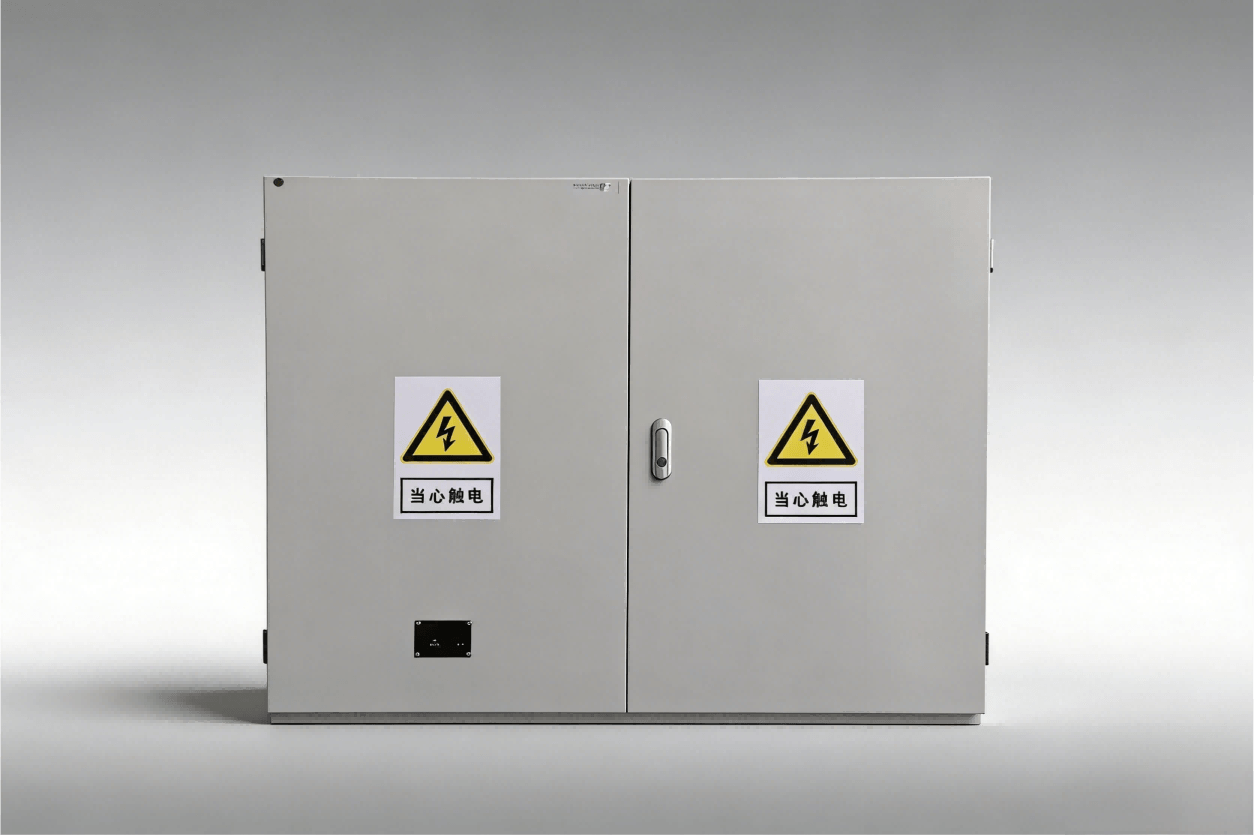

Choosing a suitable power distribution box not only ensures reliable power delivery but also prevents overloads, simplifies maintenance, and facilitates future system expansion. It is an important step in ensuring the safe and stable operation of the electrical system. When selecting a power distribution box, the following practical factors should be carefully considered.
1. Installation environment
Where the power distribution box is installed determines what kind of protection it needs. For indoor use and offices, use the standard wall‑mounted type; for outdoor or damp, dusty, high‑temperature locations, choose a dustproof, waterproof, corrosion‑resistant enclosure.
2. Confirm load requirements
Calculate the total power of all electrical appliances clearly and determine how many circuits are needed. The capacity of the power distribution box should easily handle the current load, and it is best to leave some margin so that adding new equipment later avoids expensive replacement or upgrade costs.
3. Choose the right size and internal space
The more circuits, the larger the box needs to be. The internal space should be spacious enough to allow a reasonable arrangement of circuit breakers, wiring, and accessories. More space is good for heat dissipation and future maintenance, making installation and inspection safer and easier.
4. Pay attention to protection and safety functions
The power distribution box must be equipped with devices such as circuit breakers and residual current protection to prevent fault spread. The box material must have reliable insulation and proper grounding, and preferably a lockable door or cover to prevent misoperation or access by unauthorized personnel.
5. Determine installation method and compliance
Choose wall‑mounted, flush‑mounted, or floor‑standing based on site space. In residential decoration, flush‑mounted is common, as it looks good and does not take up space; industrial environments often use wall‑mounted or floor‑standing types for easy operation.
Be sure to select products that comply with national or industry standards, so that quality and safety are guaranteed, and acceptance inspection goes more smoothly.