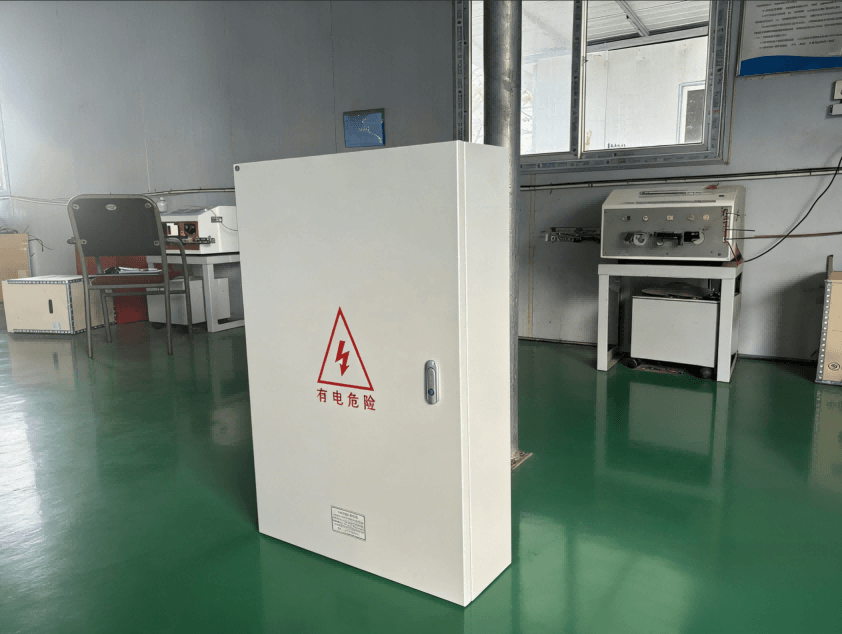

Choosing a suitable lighting control panel is a key step in designing an efficient and reliable lighting system. Whether used in commercial buildings, industrial plants, or public facilities, choosing correctly ensures stable lighting performance, easy management, and electricity savings.
1. Number of lighting circuits to control
For multi‑zone places such as office buildings, warehouses, and large shopping malls, a control panel that can manage multiple circuits at the same time must be selected. In complex power distribution configurations, it is also often used together with distribution cabinets or low-voltage switchgear. It is best to reserve a few spare circuits so that future modifications to the existing system will not consume a lot of time and cost.
2. Control method
Some facilities only need manual switching, while others require automatic operation by schedule or adjustment based on occupant activity. If the lighting plan changes frequently, choosing a panel with programmable timer functions is more flexible and avoids wasting electricity.
3. Load capacity
Each lighting circuit has specific electrical load requirements. Therefore, the total load must be carefully calculated before selecting a lighting control panel, and a margin should be left in case equipment is added later.
4. Installation environment
Standard enclosure protection is sufficient for clean indoor locations. If installed in places with high humidity, high dust, or large temperature variations, a panel with a higher protection rating should be selected.
5. Daily maintenance and future expansion
A panel with a clear layout and clearly labeled circuits is easier and safer to inspect and repair. Leaving sufficient expansion capacity allows circuits to be added later without redesigning when the building expands or needs a change.