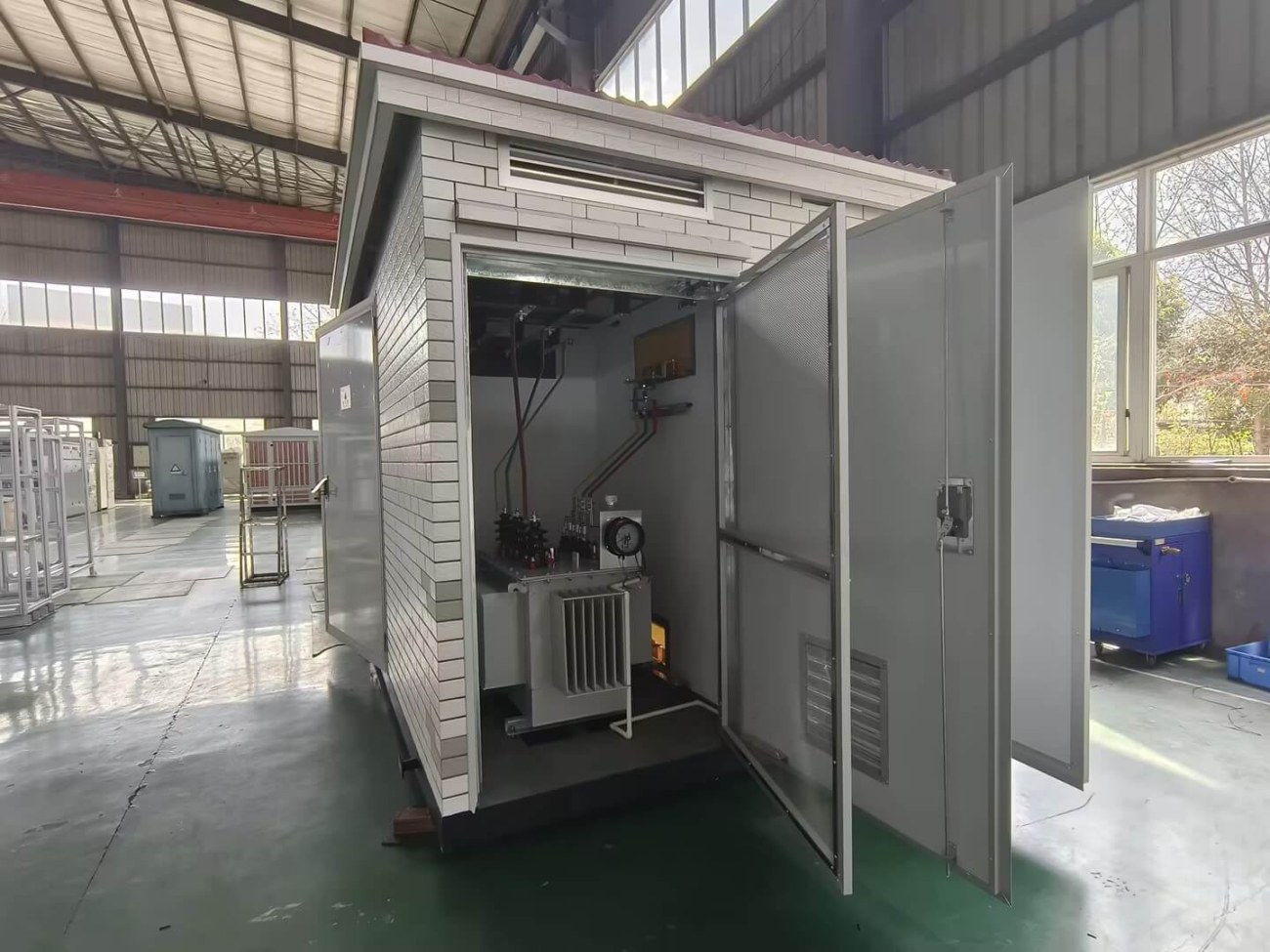

Choosing the right transformer is key to building a reliable power distribution system. When the transformer is chosen correctly, the voltage stays stable, equipment can operate safely, and the whole system can run reliably for a long time. Whether it’s a shopping mall, a factory, or an infrastructure project, selecting a transformer should always start from actual needs.
The following points are the most important considerations when selecting the right transformer for a project.
1. Understand the load requirements
Calculate the total electricity consumption of all connected equipment, such as lighting, motors, air conditioners, production machinery, and so on. When selecting capacity, also consider choosing a transformer slightly larger than current needs to leave room for future expansion.
2. Choose the correct voltage rating
The transformer must match both the input voltage from the power supply and the output voltage required by the equipment. Voltage standards vary by country and industry, so be sure to confirm the system voltage standards before selecting a transformer.
3. Installation environment
Environmental conditions such as temperature, humidity, ventilation, dust, and available space all have a significant impact on the transformer and must be carefully evaluated.
•Indoor: Space and ventilation are key. Transformers generate heat during operation; poor air circulation can create hazards.
•Outdoor: Must withstand rain, sunlight, and temperature changes.
•Factory: If there is dust or chemicals, the protection rating must be high enough.
4. Evaluate cooling requirements
How well the transformer dissipates heat directly affects safety and service life. If the equipment runs continuously under high load, good heat dissipation measures are needed to prevent overheating. Good heat dissipation makes operation safer and helps the transformer last longer.
5. Review safety and protection requirements
When selecting a transformer, safety is the most important thing. Good protection functions can prevent damage caused by overload, short circuit, or excessive temperature. The right insulation level and protection design can greatly reduce the risk of accidents.
If your project includes sensitive equipment or requires long, uninterrupted operation, the transformer’s safety performance deserves extra attention.
6. Plan for ease of maintenance and inspection
The transformer should be installed in a location that is easy to access, allowing maintenance personnel to perform routine checks safely and quickly. Cooperating with a reasonably laid out power distribution cabinet or electrical control panel can improve the maintainability of the overall system.