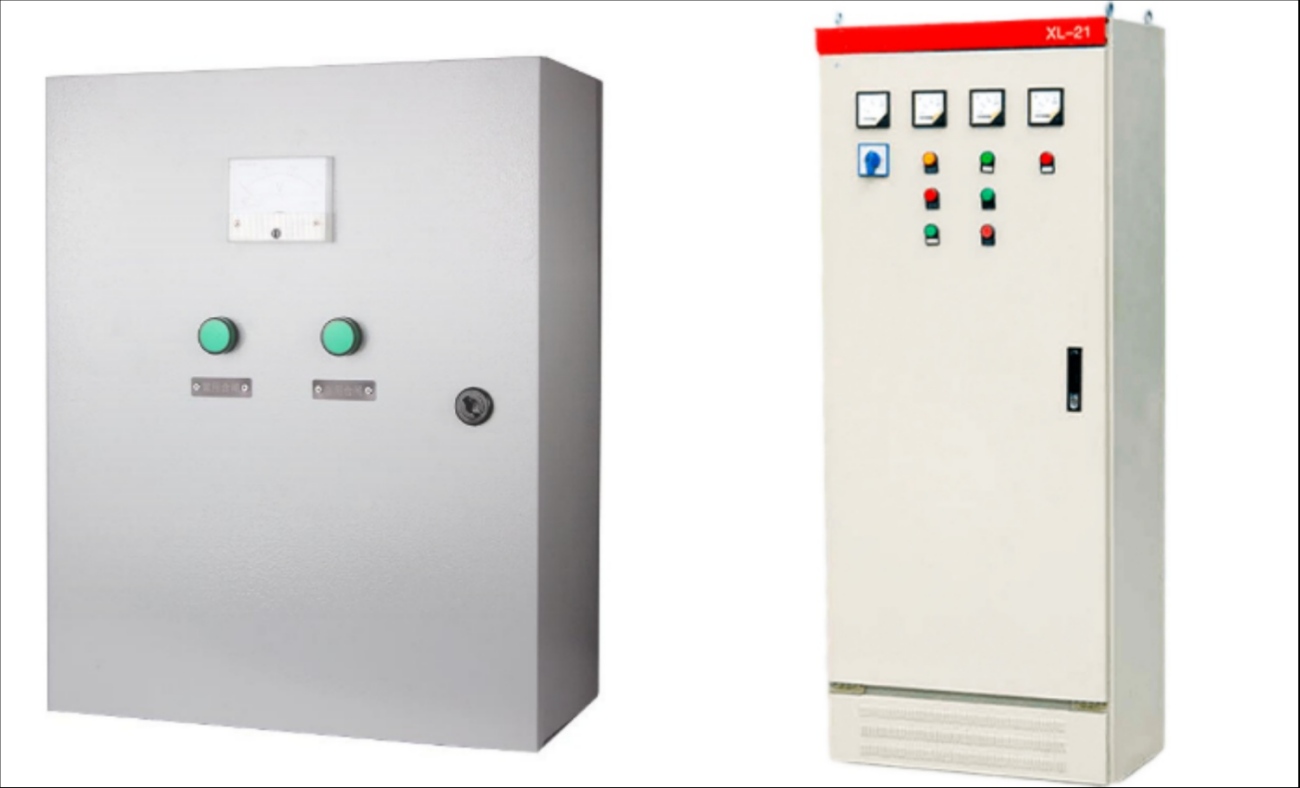

When setting up a power distribution system, many clients face a common dilemma: should they choose a distribution box or a distribution cabinet? The basic function of both is the same—to distribute power safely—but they are designed to suit different power demands and project complexities. The choice mainly depends on three factors: how many devices need power, how much installation space is available, and whether future expansion is needed.
1. Number of devices to be powered
If the number of circuits is small, a distribution box is a more suitable choice. This type of equipment is compact, relatively simple to install and maintain, and mostly wall‑mounted, making it suitable for places with limited space, such as small workshops, offices, or residential buildings.
If your power demand is relatively stable and unlikely to increase significantly in the future, a distribution box is sufficient for daily distribution needs while keeping costs under control.
2. Size of installation space
If the project is more complex and requires more power, a distribution cabinet is more suitable. A distribution cabinet has a larger internal space, can accommodate more circuits and protection devices, is typically floor‑mounted, can handle higher electrical loads, and is commonly found in industrial plants, large buildings, and infrastructure projects. If your system needs to support multiple circuits or divide power into different zones, a Distribution Cabinet provides better long‑term stability.
3. Future expansion needs
Many projects gradually add new equipment or increase in scale over time. If the system is expected to remain simple, a distribution box will suffice; however, if future expansion is likely, a distribution cabinet offers greater flexibility.