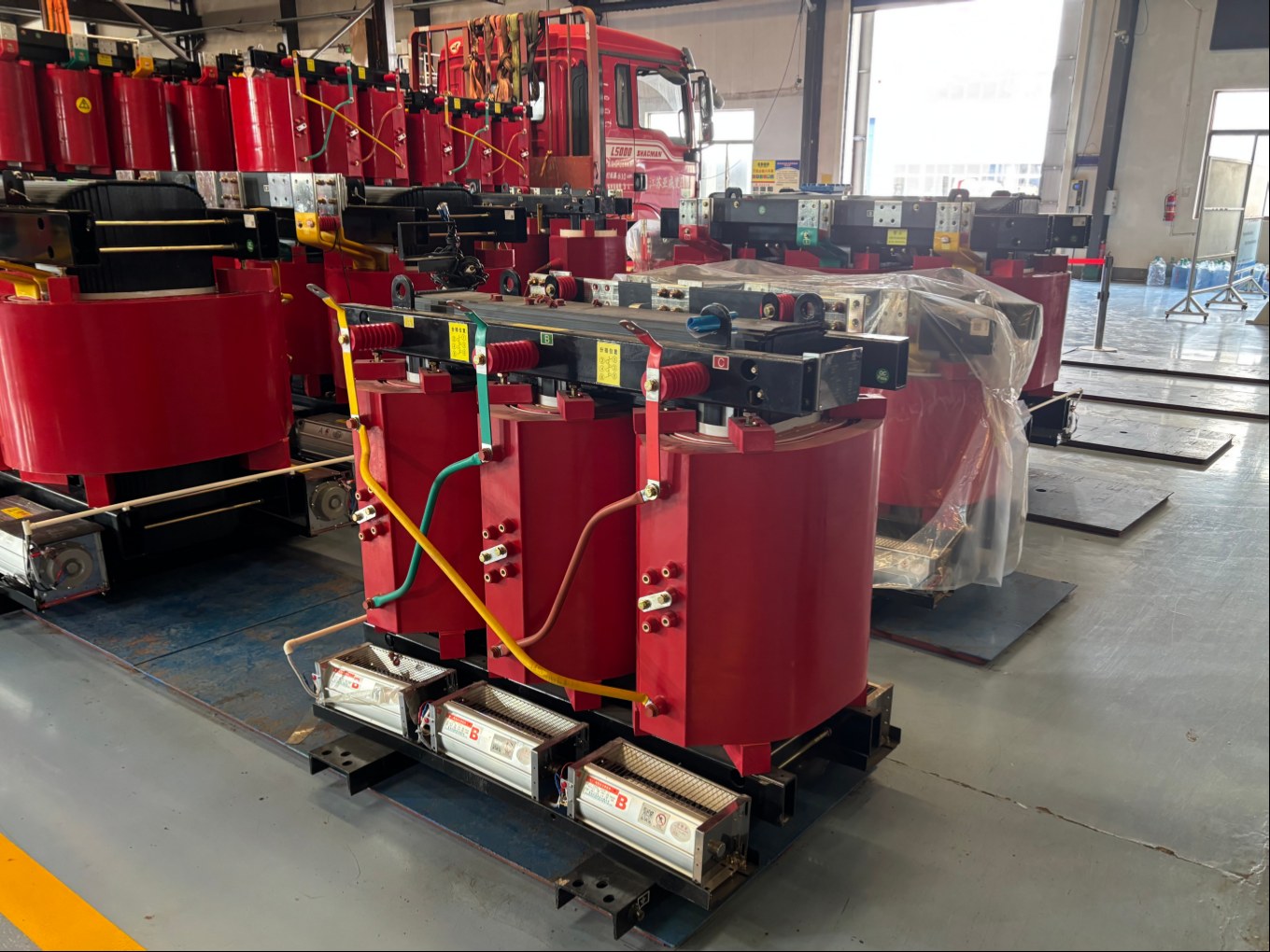

In office buildings, shopping malls, hotels, and other commercial buildings, transformers are essential key equipment in the power distribution process and also the first key facility for the entire building’s power supply.
1. Function
Most of the medium-voltage electricity transmitted from the urban power grid to the building is of a relatively high voltage level and cannot be directly used by equipment inside the building. The core function of transformers is to convert medium-voltage electricity into low-voltage electricity that can be used in daily life, stably supplying power to various equipment such as lighting, elevators, air conditioners, and office appliances, ensuring the normal operation of all electrical facilities inside the building.
2. Installation and Layout
Transformers are mostly arranged in dedicated power distribution rooms or underground machine rooms. This installation method can reduce safety hazards, avoid operational risks, and facilitate daily inspections and later maintenance by staff. Large-scale commercial complexes, with high foot traffic and many electrical devices, are equipped with multiple transformers to share the power load by zone, meeting the power needs of different areas.
3. Operation Characteristics
The electrical load of a building is not fixed; it fluctuates significantly during morning/evening and holidays. Transformers can operate continuously for long periods, flexibly adapting to changing power demands, and stably deliver electricity, avoiding power outages or unstable supply.
4. Application Value
Whether office buildings, shopping centers, hotels, or hospitals, all types of commercial buildings are inseparable from transformers. As the core equipment for power supply, transformers steadily receive power input from the municipal grid, allowing electrical energy to enter the building safely and efficiently, providing reliable power support for daily office work, consumption, medical treatment, and other scenarios.