

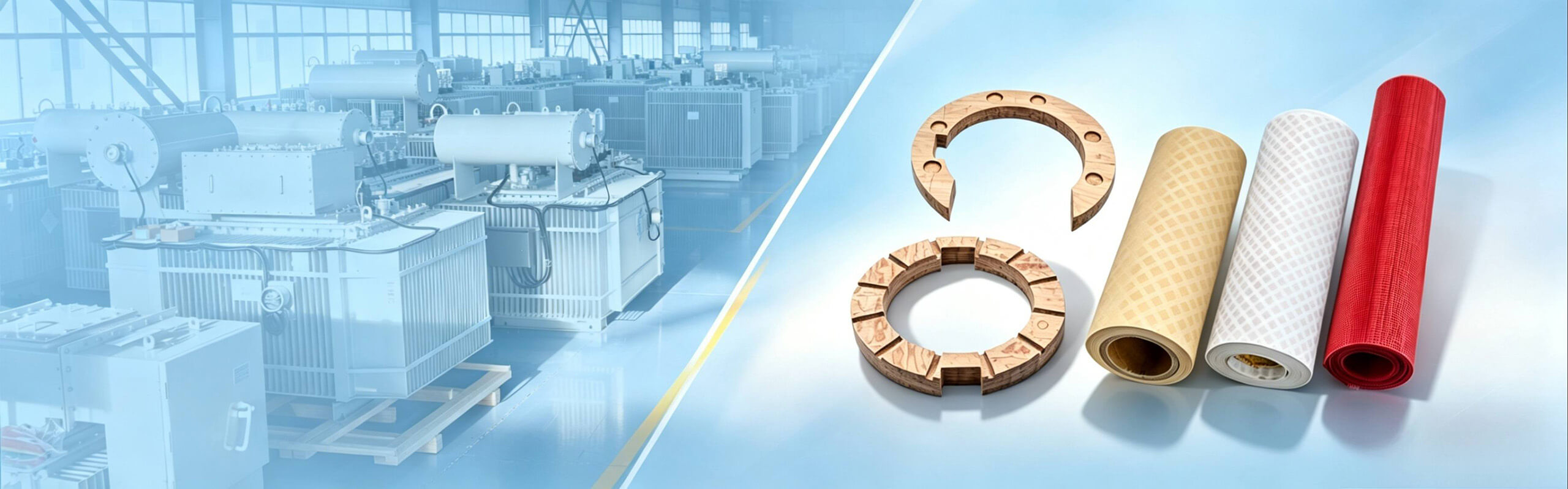


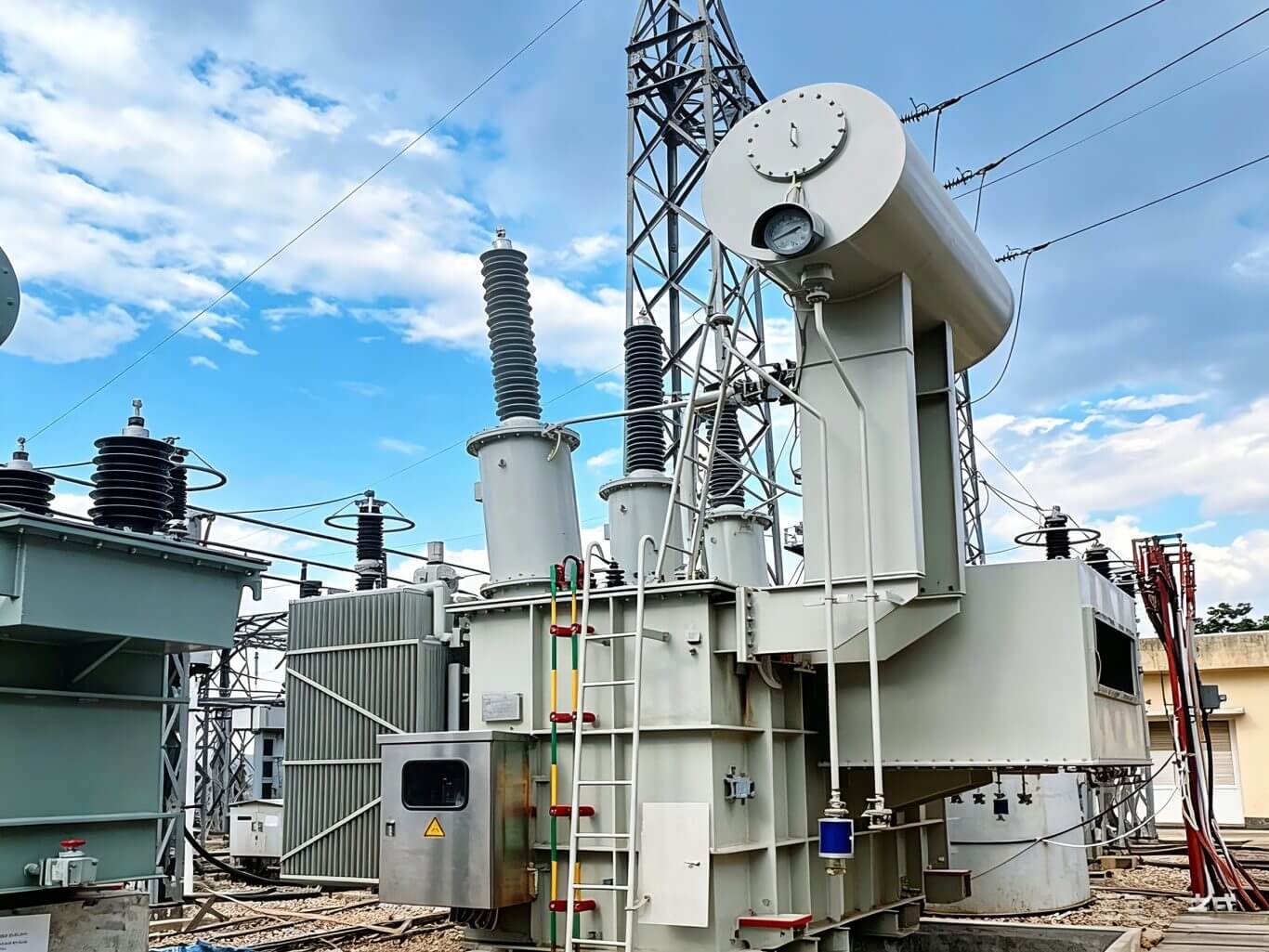
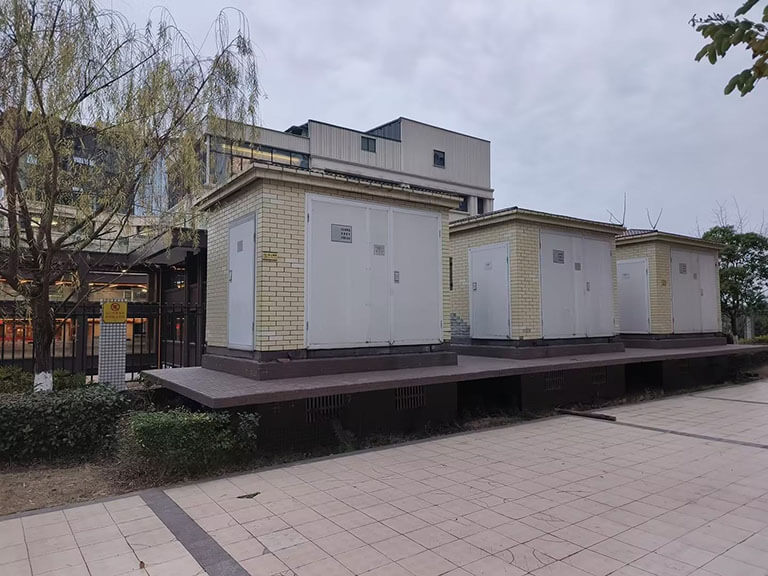
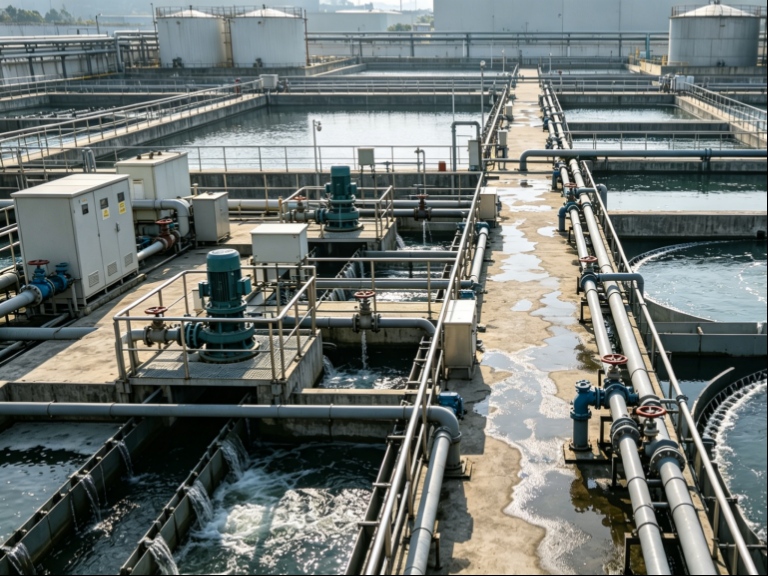
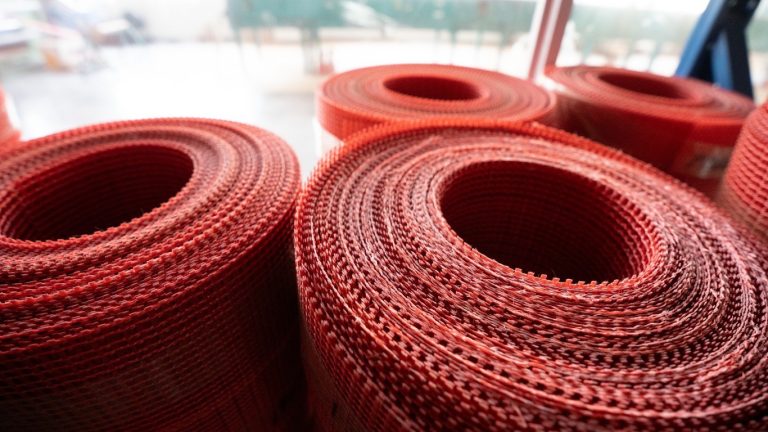
Transformer insulation materials are a critical element in the efficiency and safety of electrical systems. They are used to provide electrical isolation, prevent short circuits, and protect against overheating in transformers. Widely applied across industrial, commercial, and utility sectors, these materials ensure the reliable operation of transformers under both normal and fault conditions.
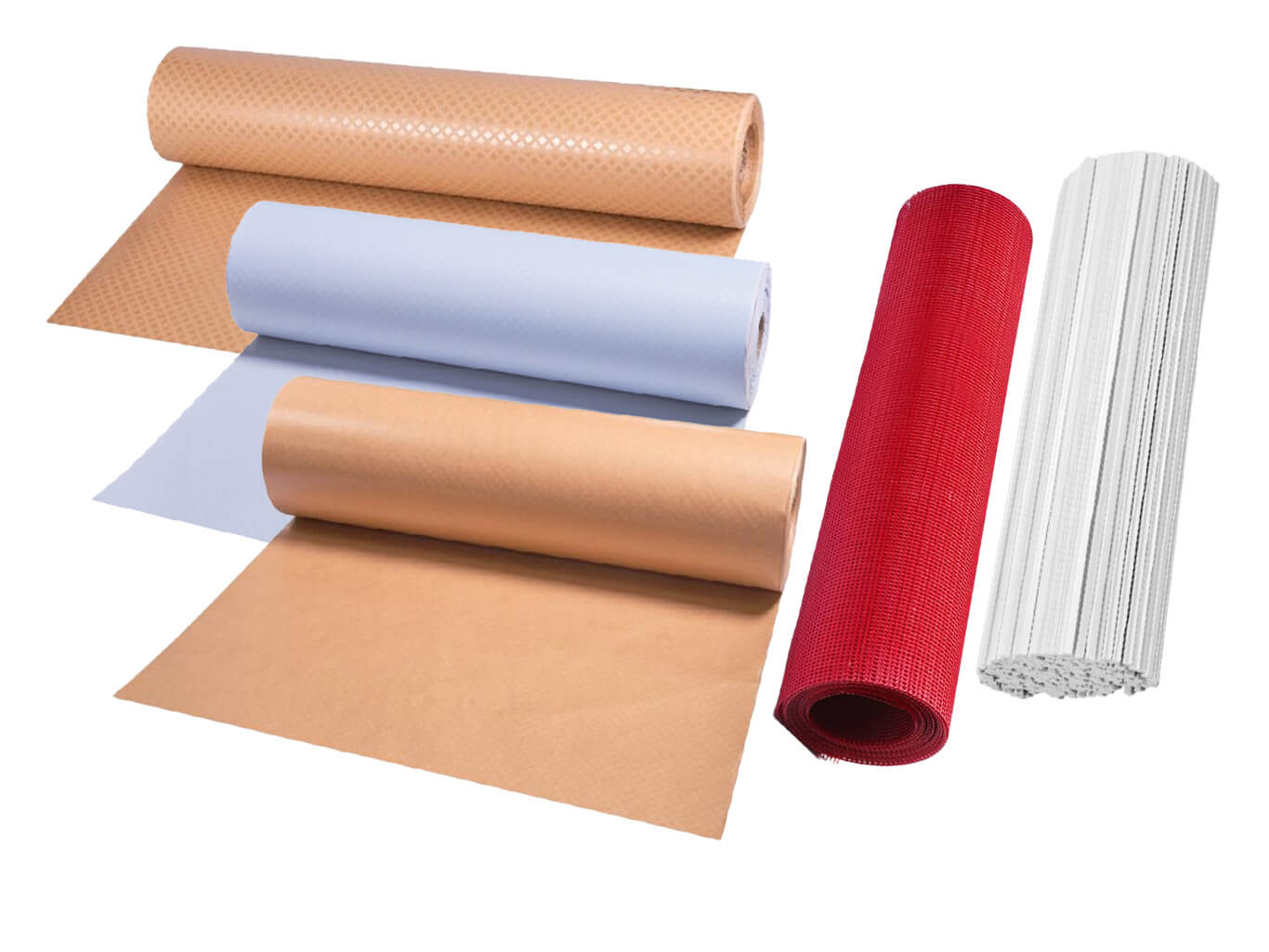
Our Transformer Insulation Material Types
Wondon provides a full range of transformer insulation material solutions designed for different transformer requirements and project conditions.
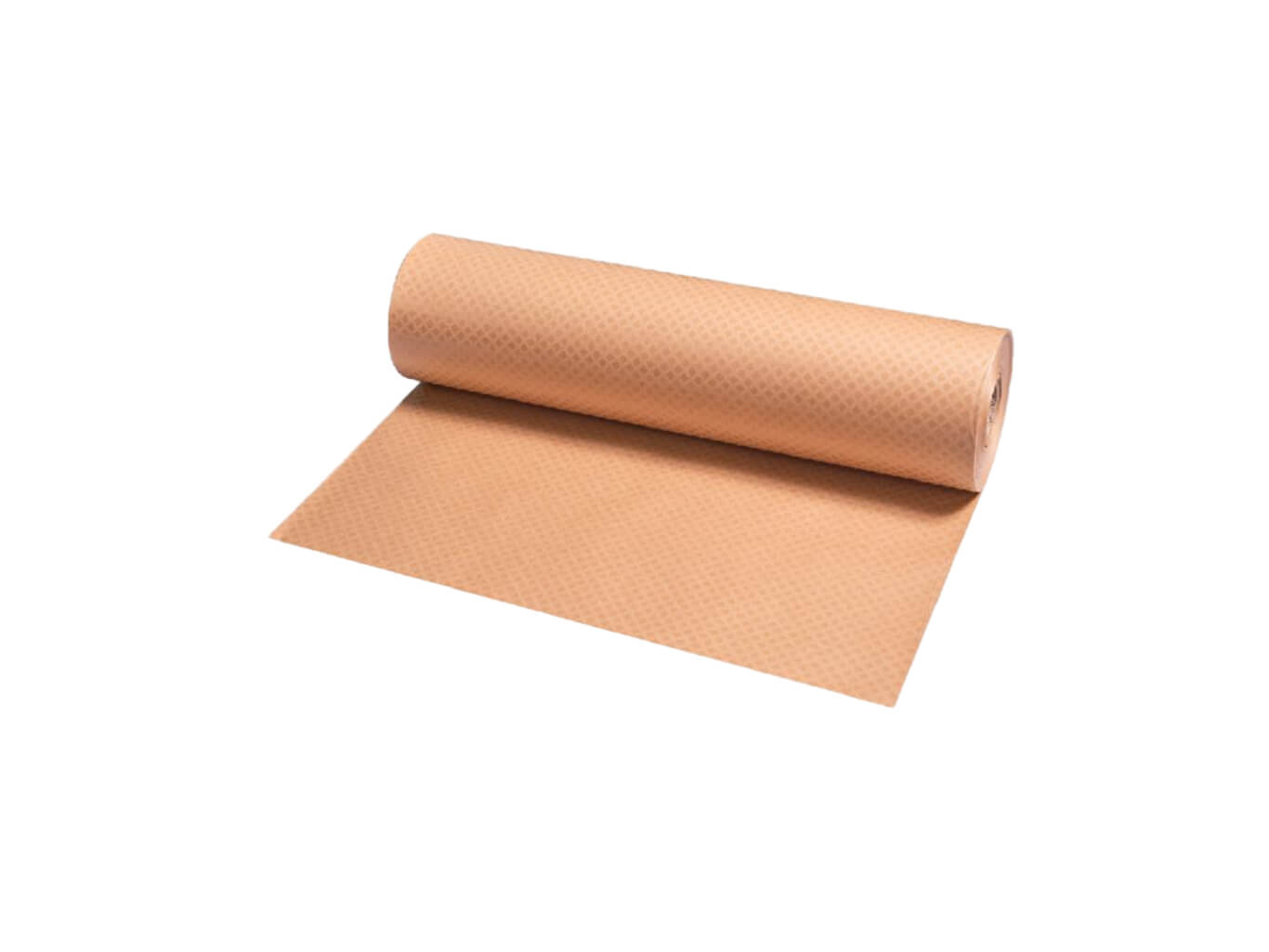
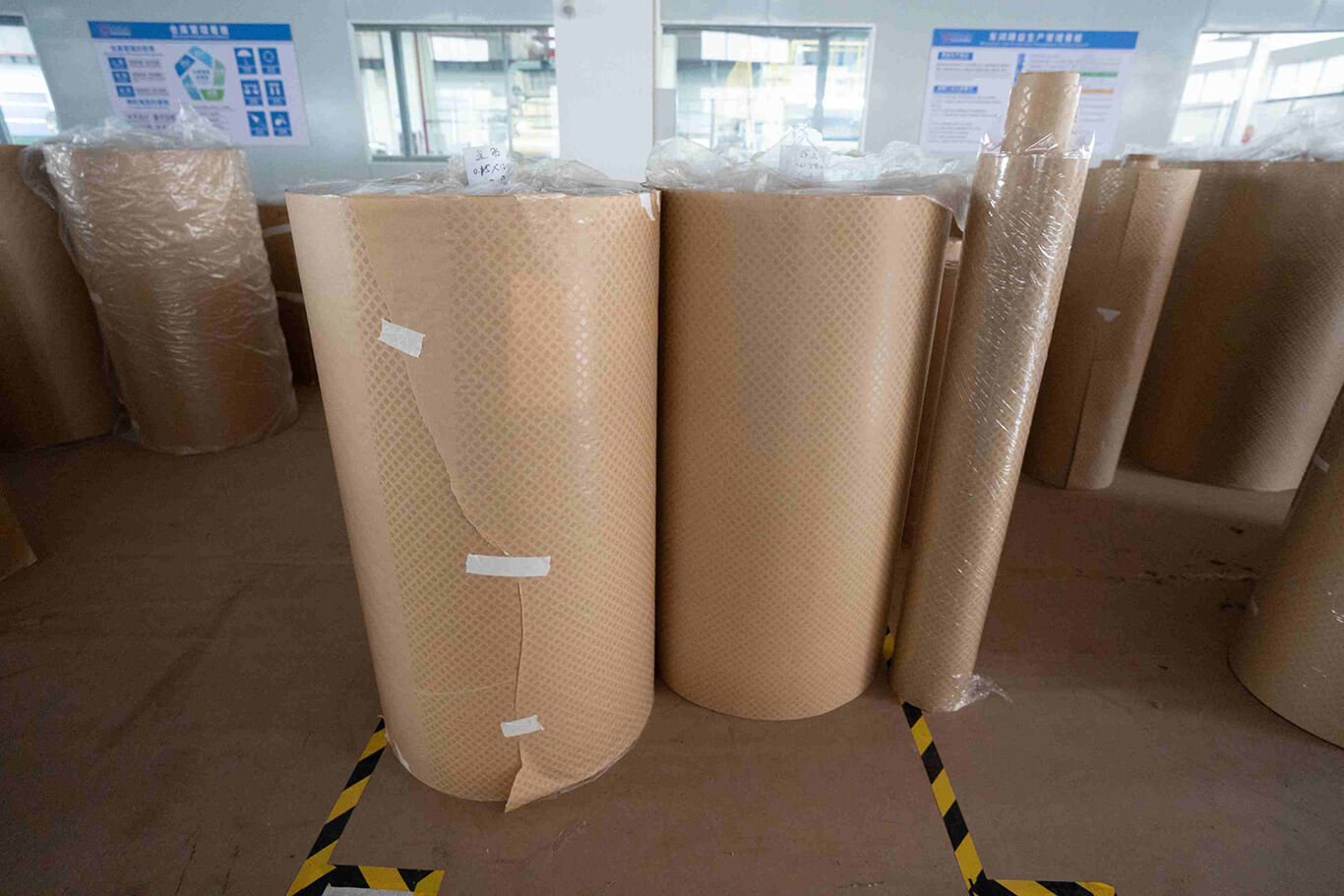
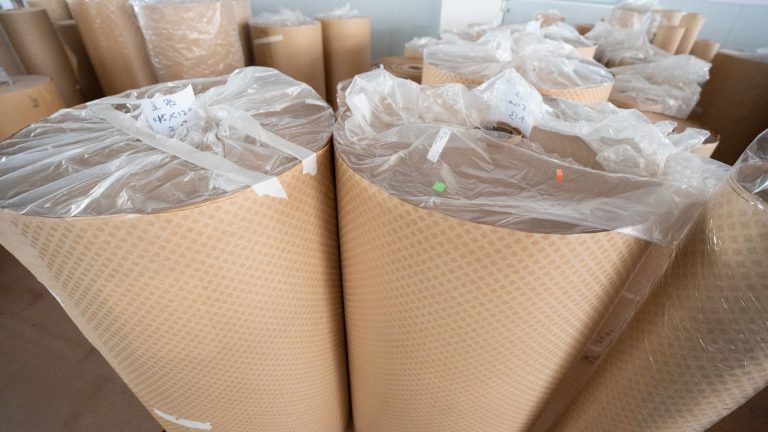
Diamond Dotted Insulation Paper
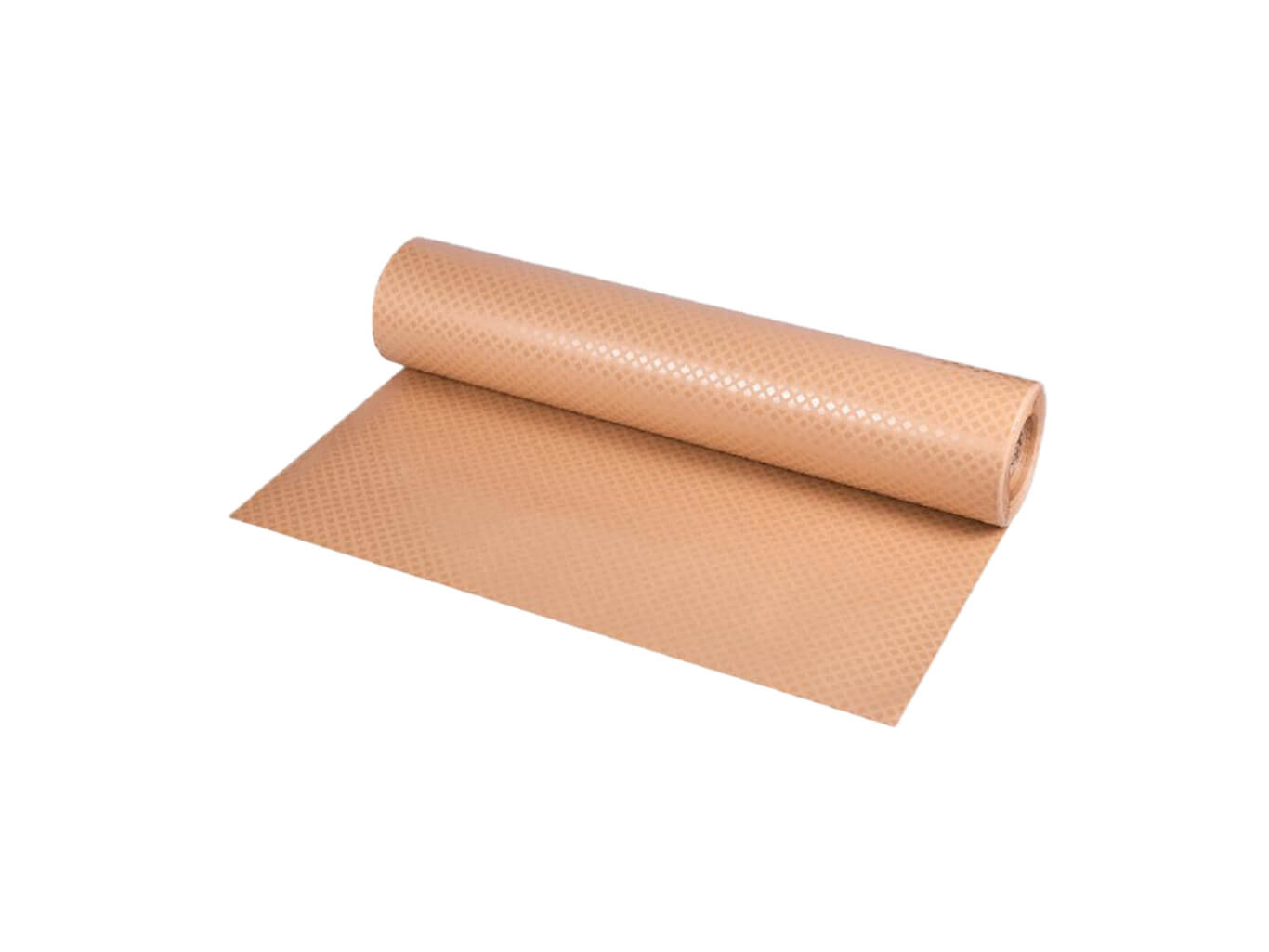
Diamond Dotted AMA Insulation Paper
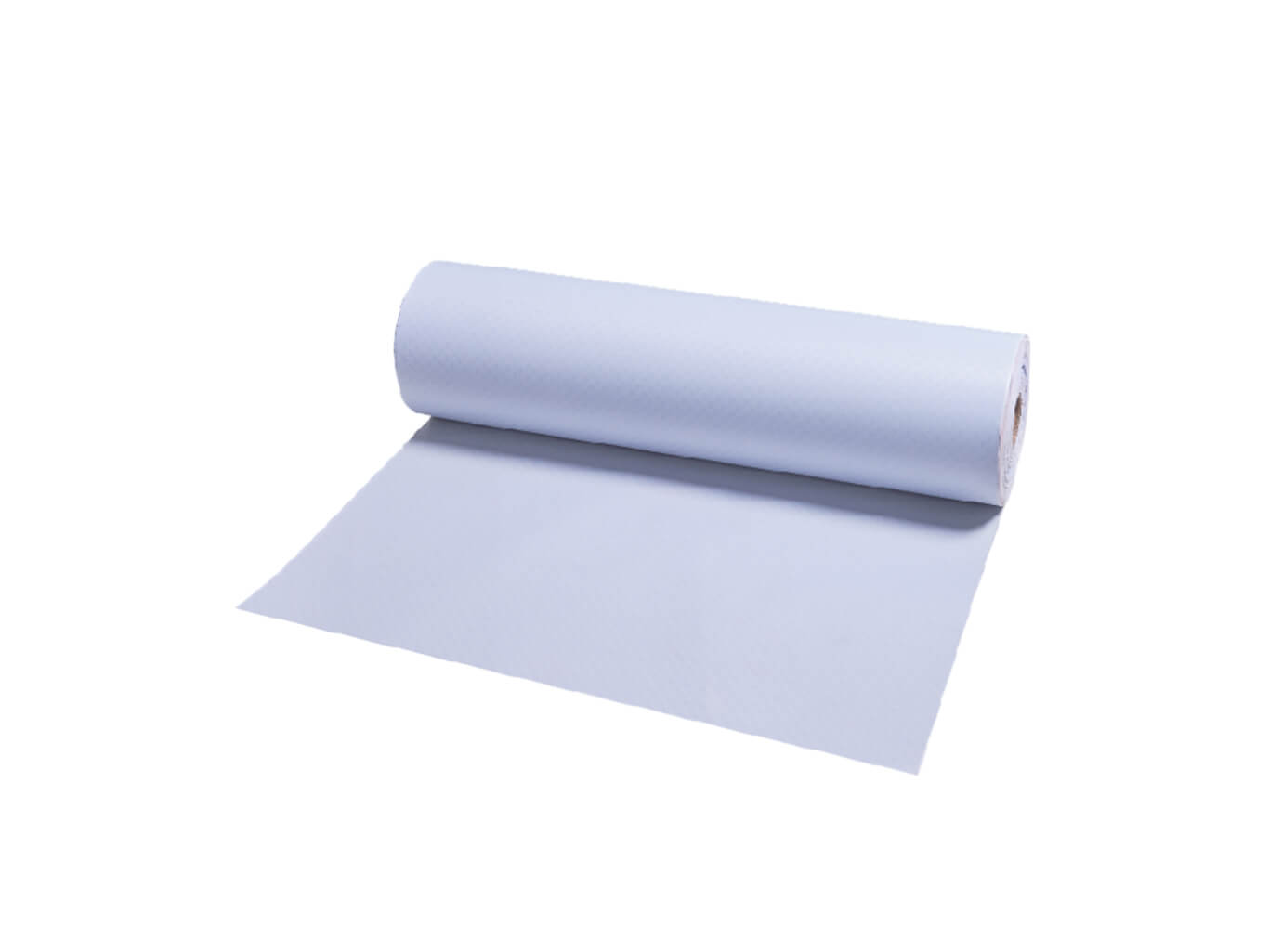
Diamond Dotted DMD Insulation Paper
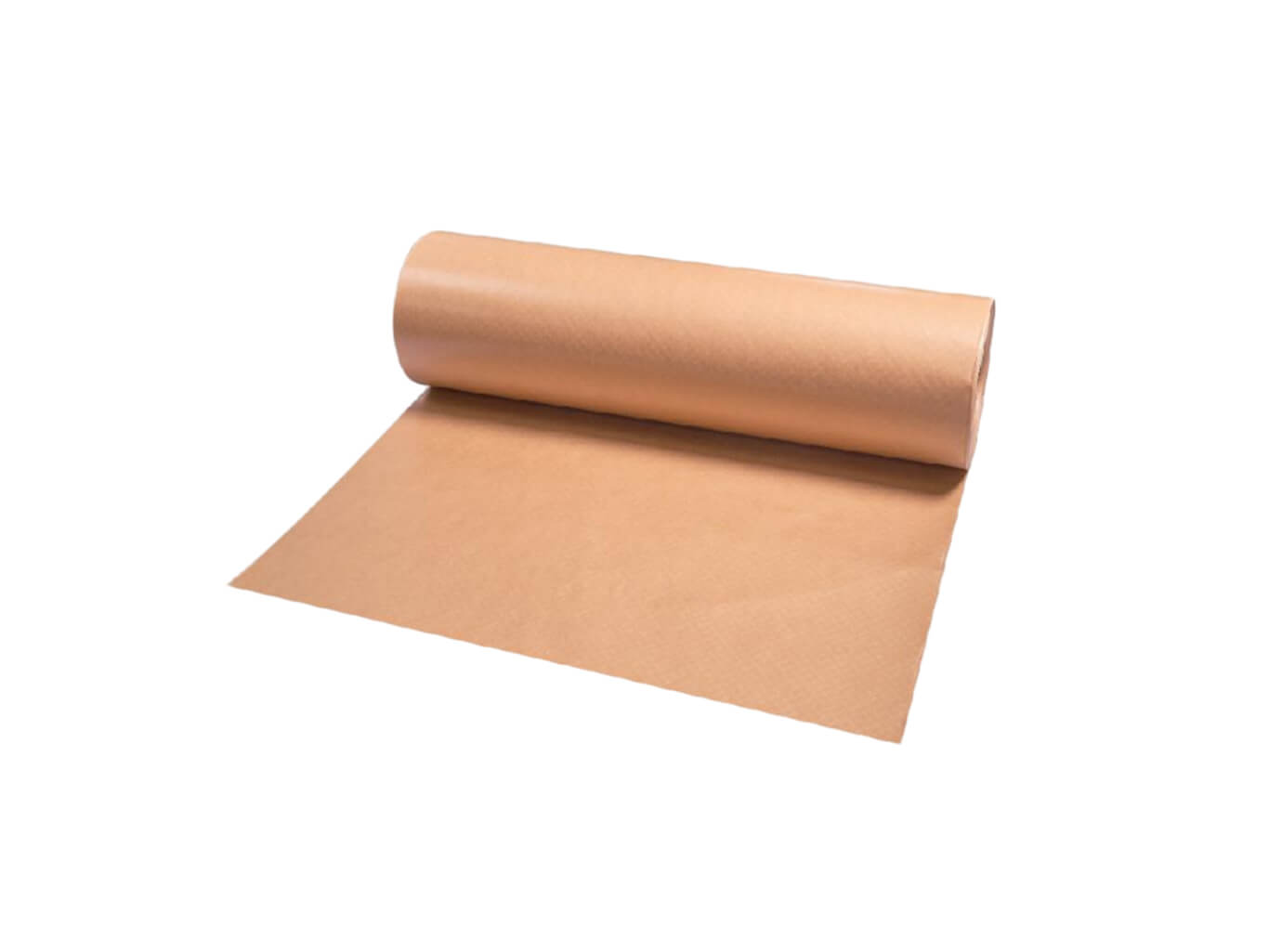
Epoxy Coated Insulation Paper
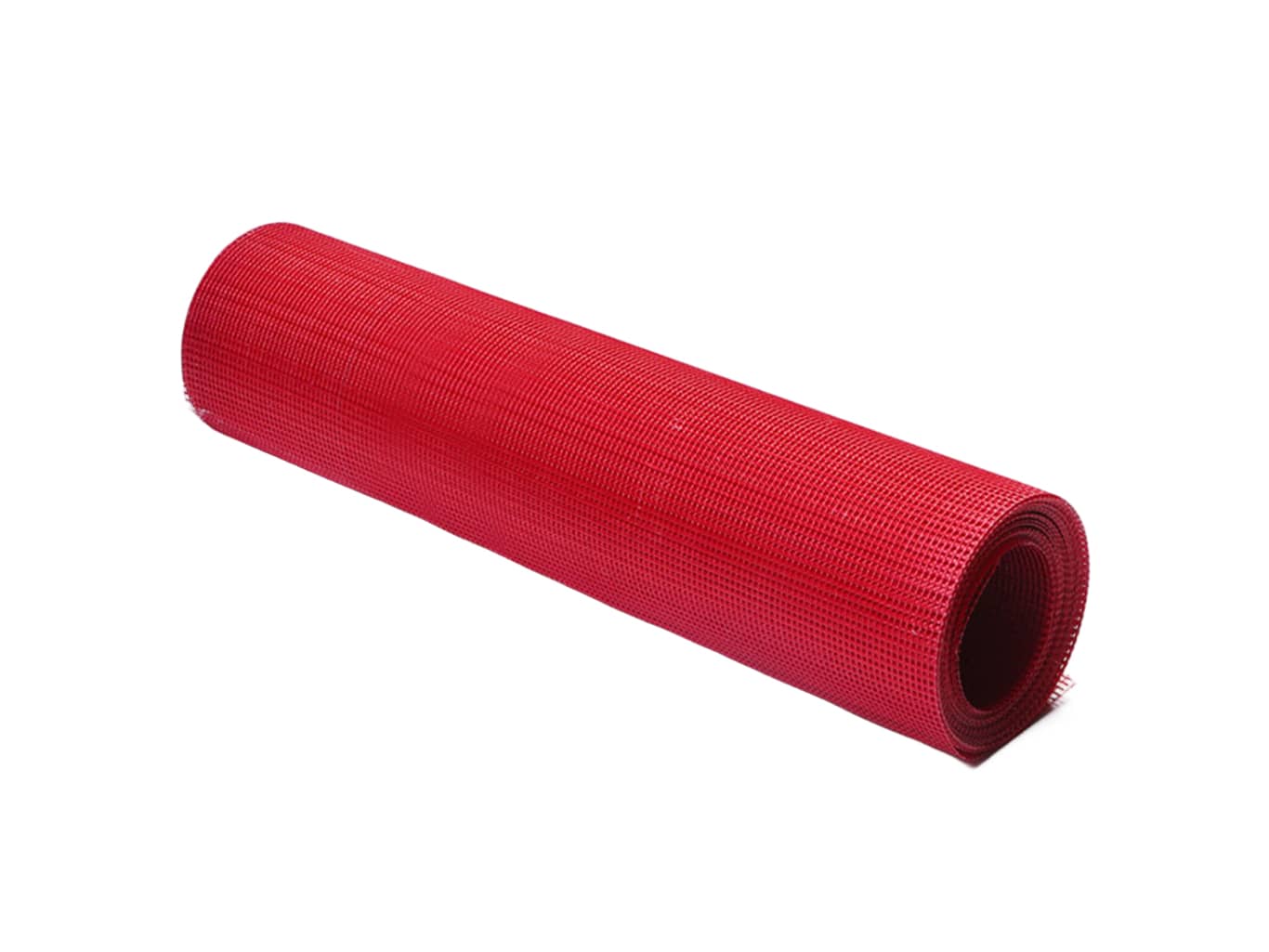
Epoxy Glass Fiber Mesh Fabric
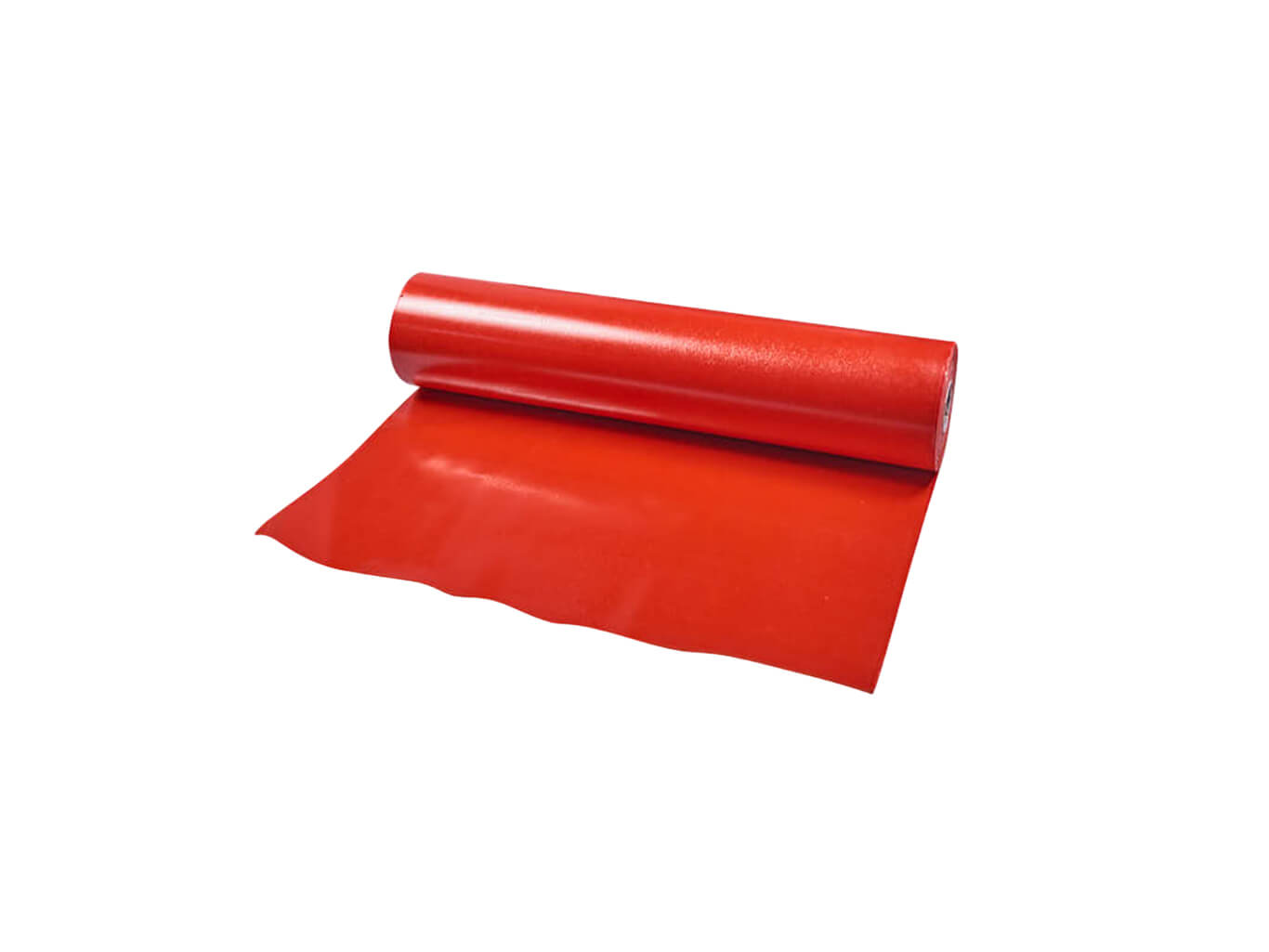
Class F Epoxy Resin Prepreg DMD
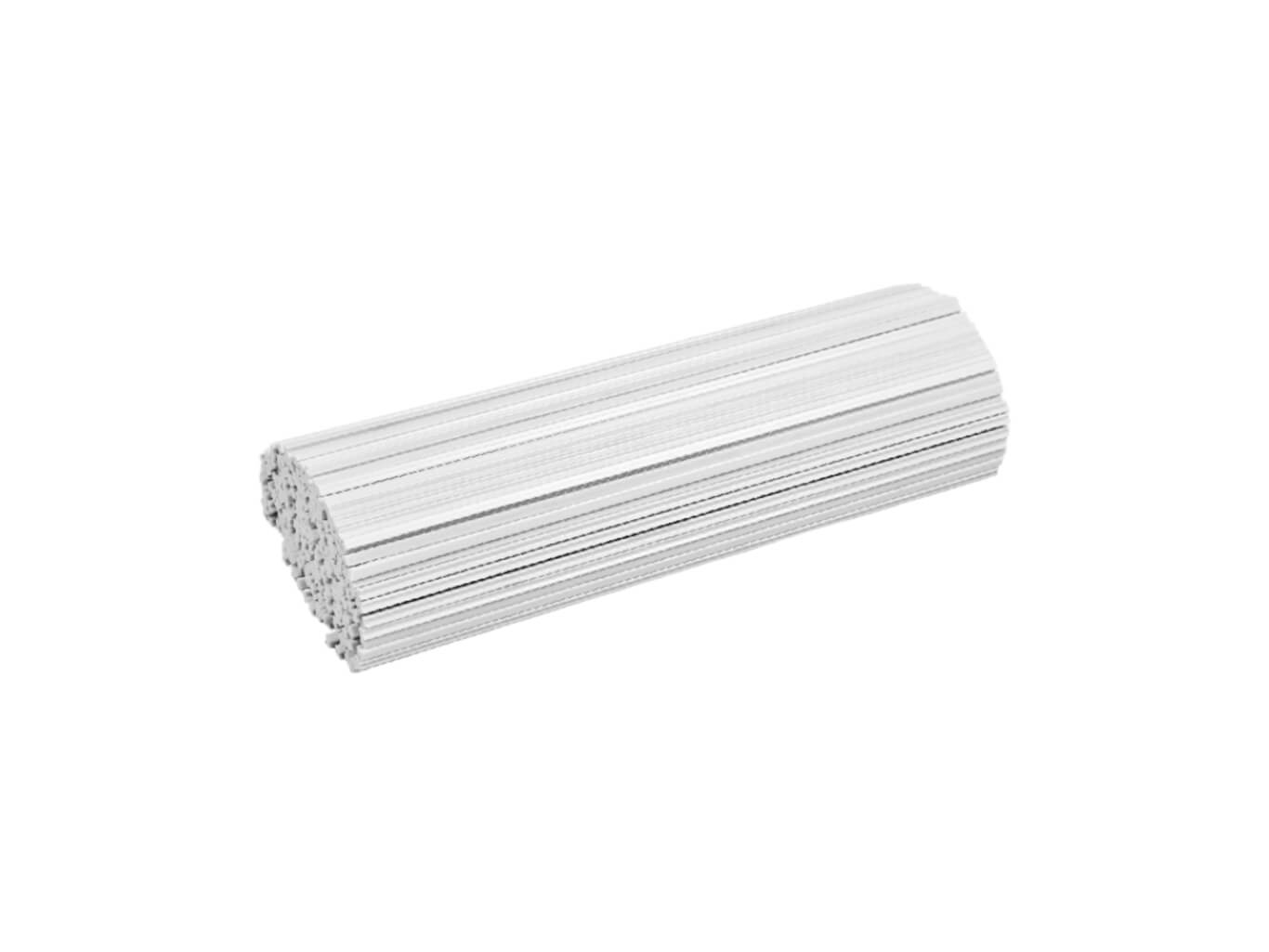
I-Shaped Support Spacer
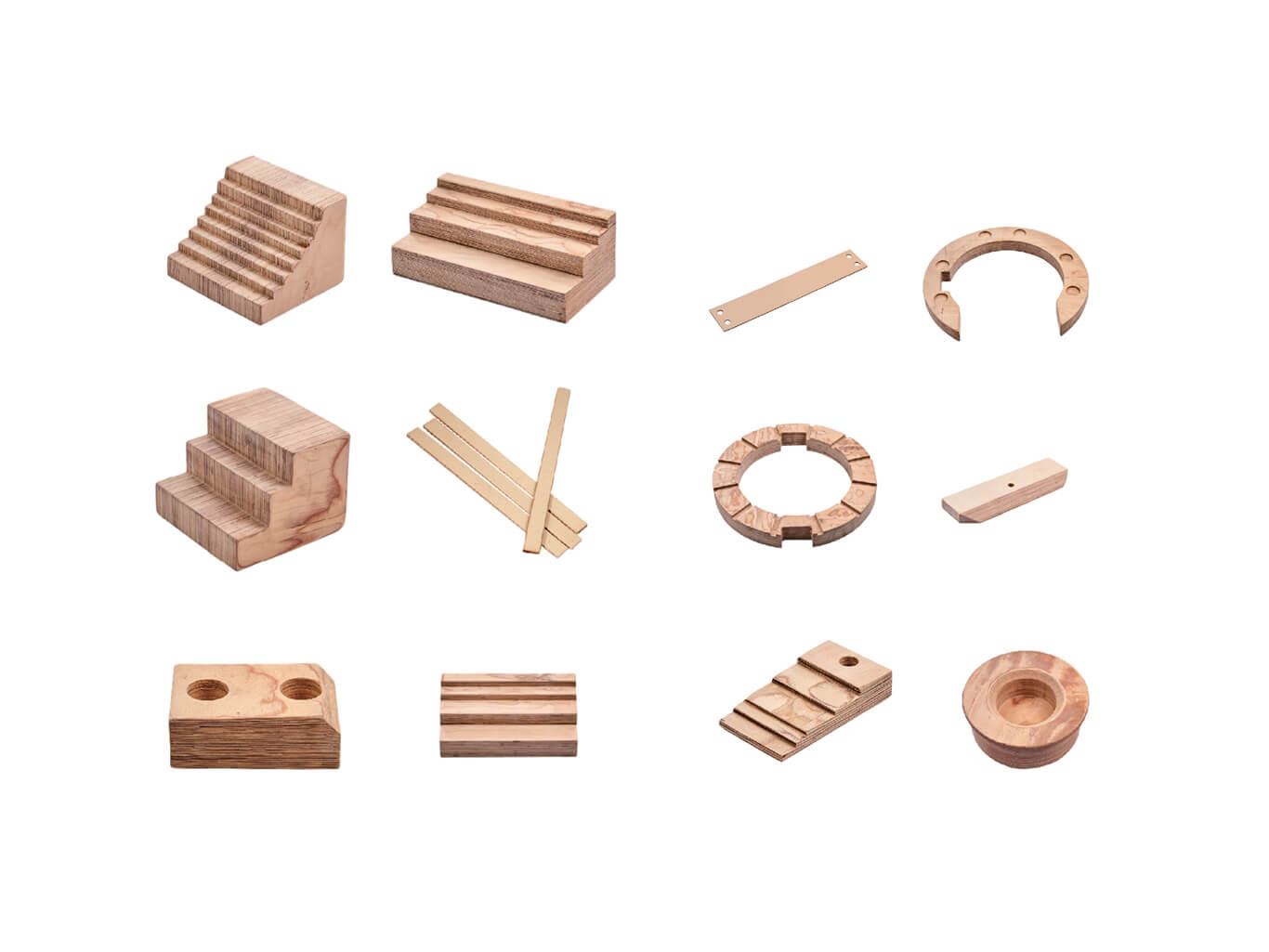
Molded Insulation Components for Transformers
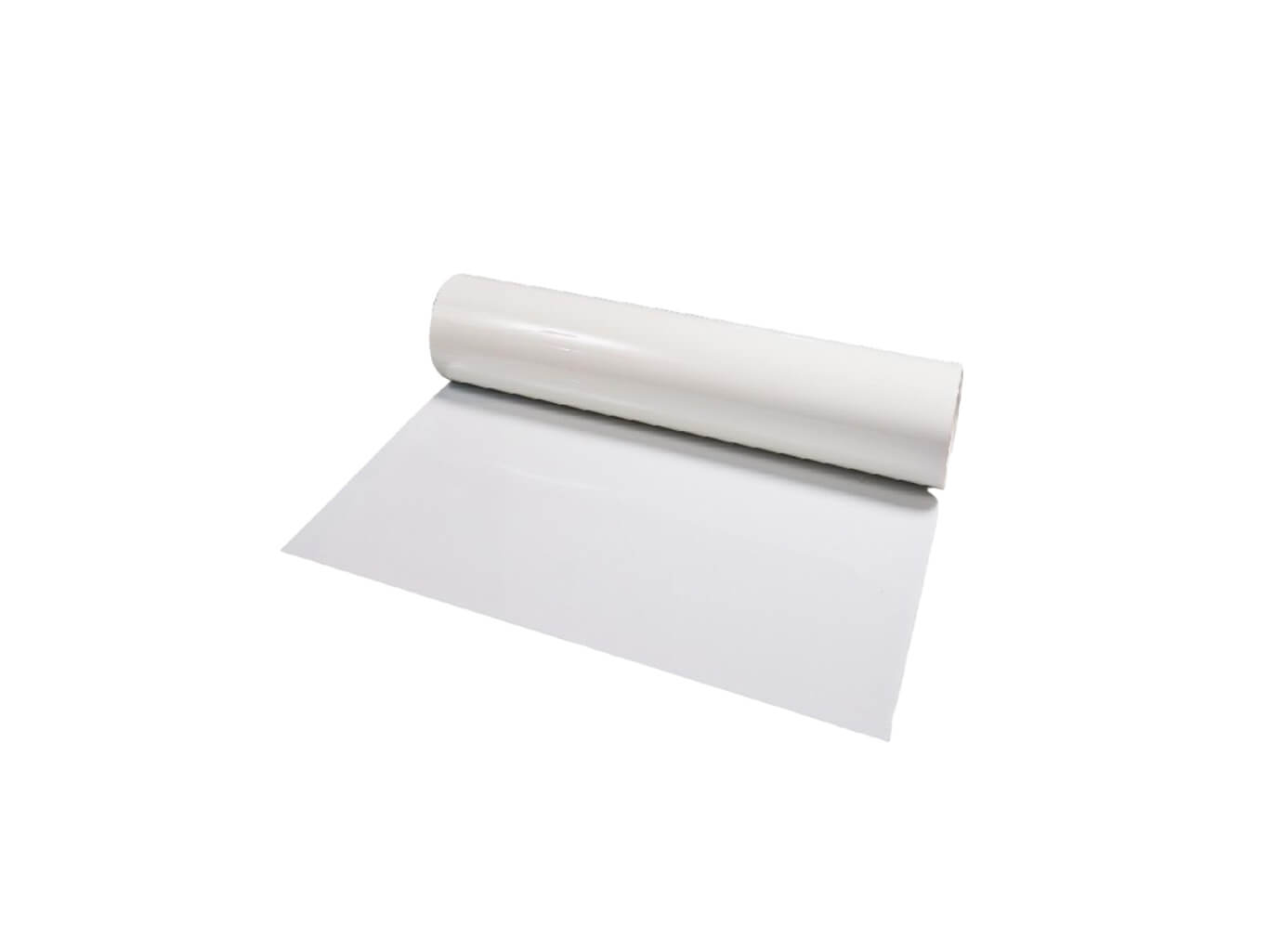
Composite PET Insulation Barrier Board
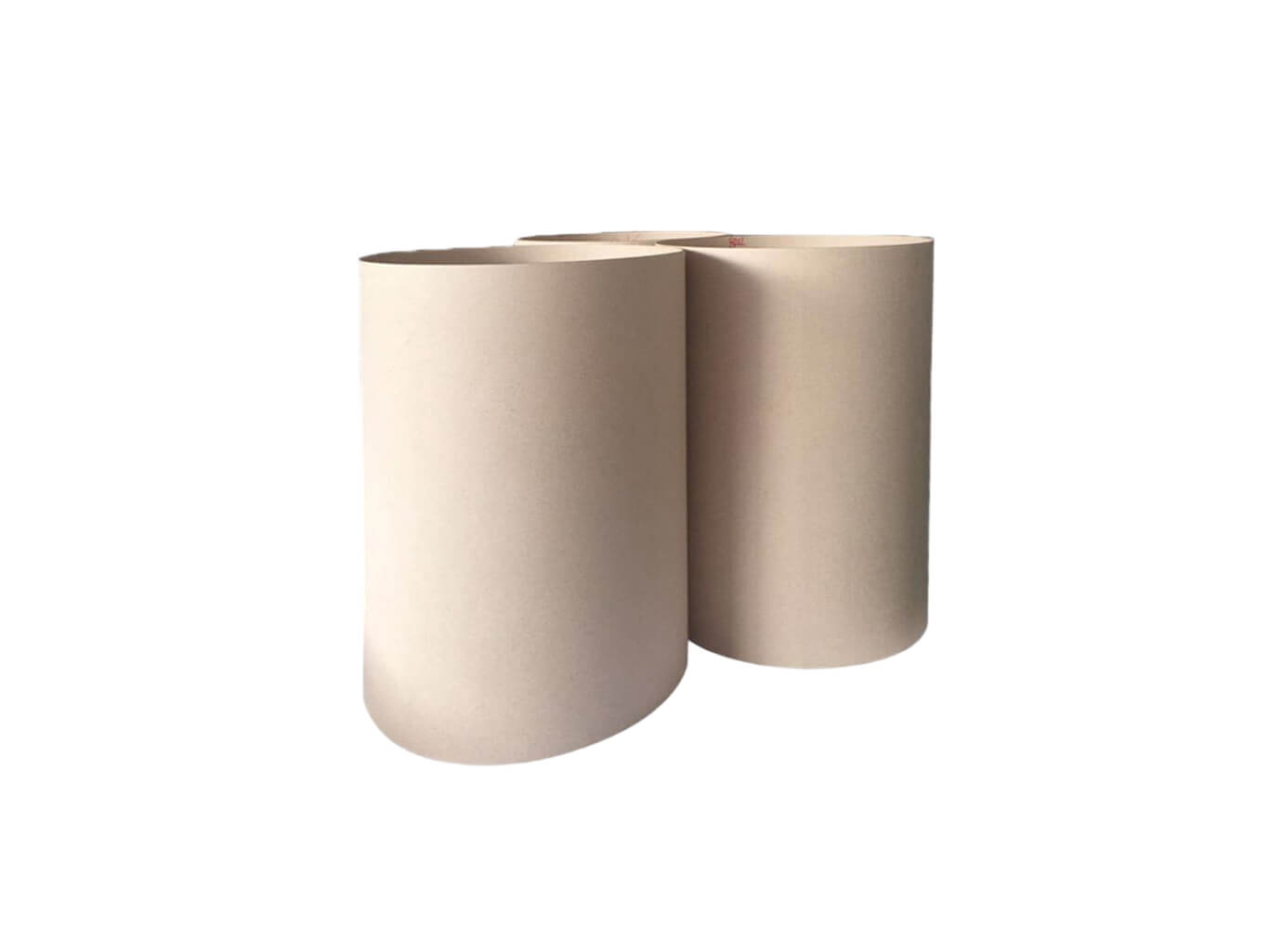
Insulation Paper Tube
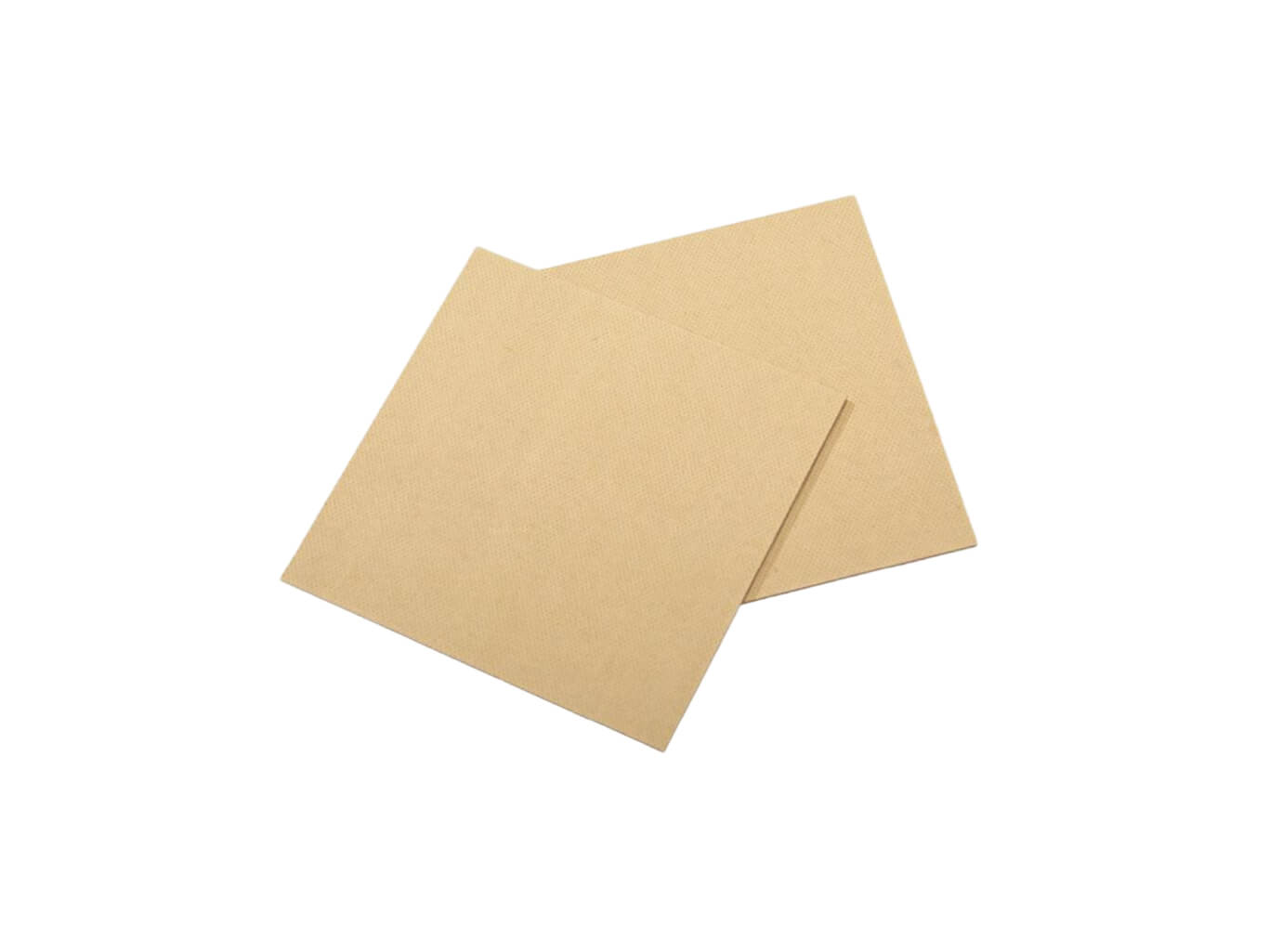
Electrical Insulation Pressboard
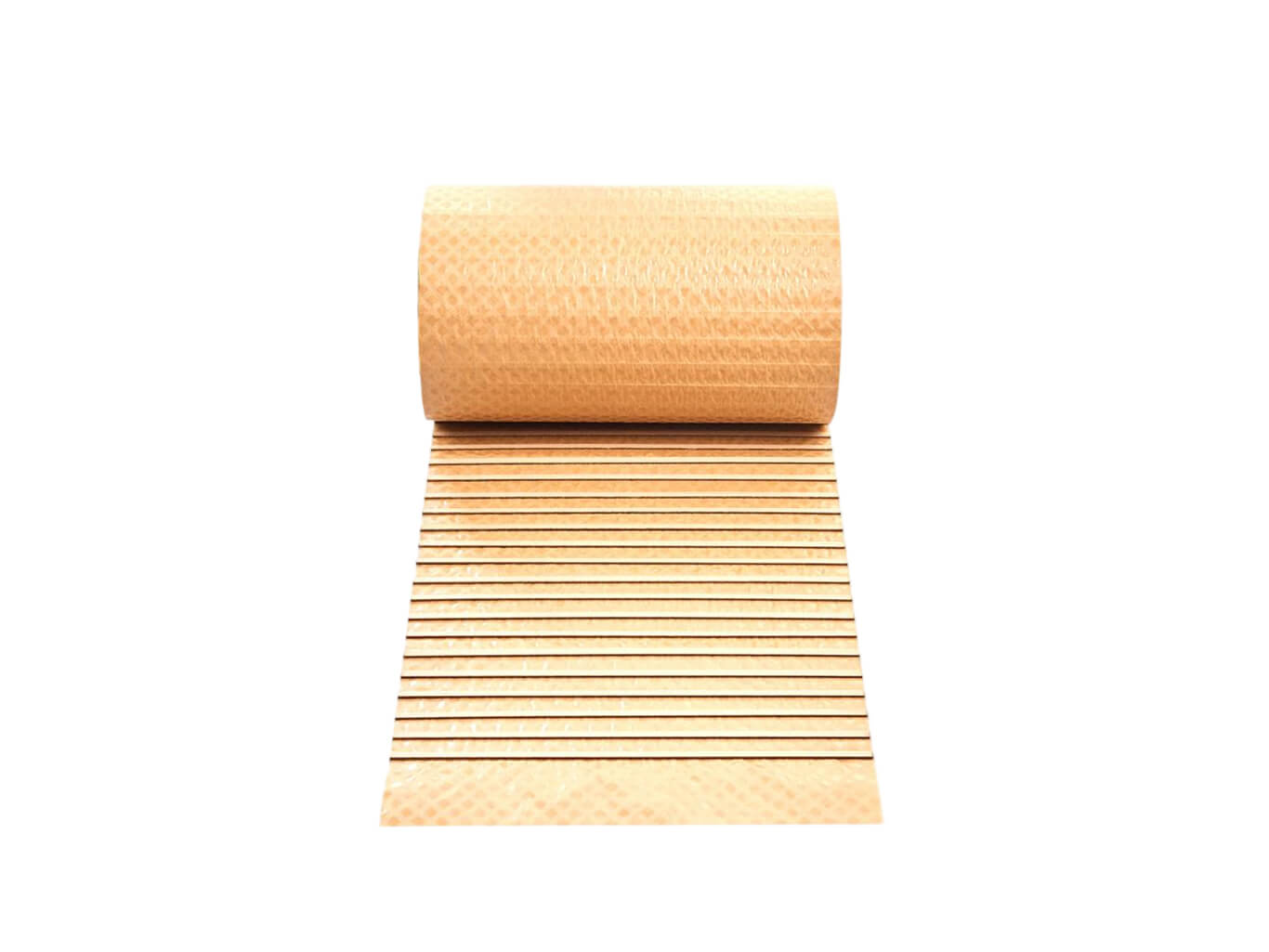
Oil Duct Spacer Assembly
Transformer Insulation Material Design & Customization Options
We provide customized transformer insulation material solutions to meet different voltage levels, thermal requirements, and operating environments, ensuring reliable insulation performance and longer transformer service life.
Material Selection Options
Choose from pressboard, insulating paper, epoxy components, and composite materials for different applications.
Thermal Class Customization
Designed to withstand various temperature classes for improved safety and durability.
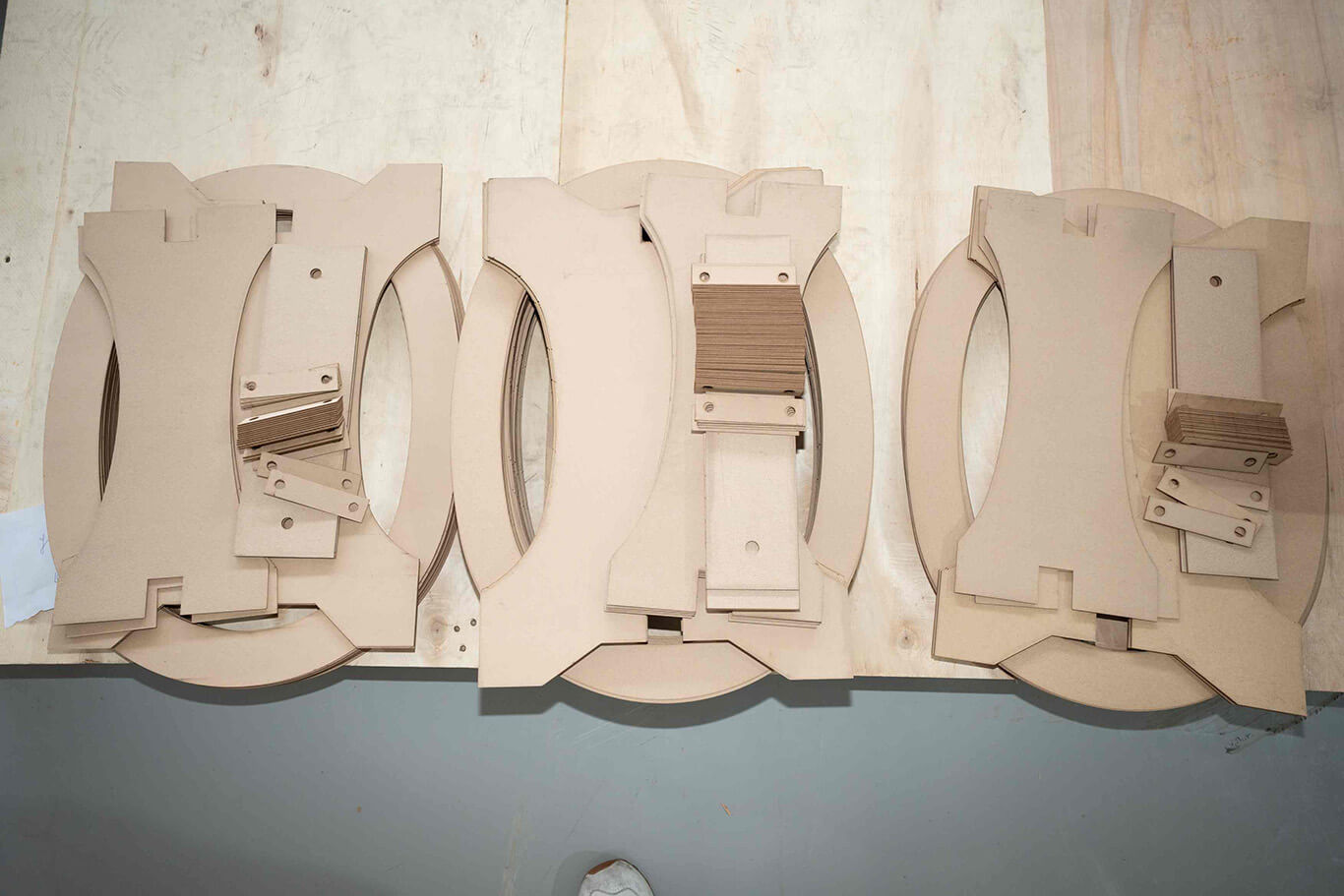
Precision Cutting & Forming
Accurate processing ensures consistent dimensions and easier assembly.
Custom Insulation Solutions
- Thickness and density adjustment
- Dielectric performance optimization
- Moisture resistance enhancement
- Special shape fabrication for transformer design
How to Choose the Right Transformer Insulation Material
Selecting the right transformer insulation material is essential for ensuring electrical safety, thermal performance, and long-term reliability.
Dielectric Strength Requirements
Ensure the material can withstand operating voltage and prevent electrical breakdown.
Thermal Performance
Choose materials with suitable thermal class to handle operating temperatures and aging.
Operating Environment
Consider moisture, temperature, contamination, and chemical exposure conditions.
Mechanical Strength
Ensure durability to withstand mechanical stress during operation and assembly.
Material Compatibility
Verify compatibility with transformer oil and other insulation components.
Service Life Expectations
Select materials that support long-term stability and reduced maintenance.
Why Choose Wondon Transformer Insulation Materials
Years of Manufacturing Experience
Custom Engineering
In-house Engineering Team
Strict Quality Control
Global Export Projects
Fast Lead Time
Technical Specifications of Transformer Insulation Materials
Our transformer insulation materials are designed and manufactured in accordance with international standards, ensuring excellent dielectric performance, thermal stability, and long-term reliability under demanding conditions.
Electrical Properties
- High dielectric strength for reliable insulation
- Low dielectric loss for improved efficiency
- High insulation resistance for enhanced safety
Thermal Performance
- Thermal class up to Class F / Class H
- Excellent heat resistance and aging performance
- Stable operation under continuous high temperatures
Mechanical Properties
- High mechanical strength and rigidity
- Excellent dimensional stability
- Resistant to deformation under pressure and heat
Environmental Resistance
- Moisture-resistant design for humid environments
- Strong resistance to oil, chemicals, and contamination
- Suitable for various operating conditions
Standards Compliance
- IEC-compliant design
- Support for international testing and certification
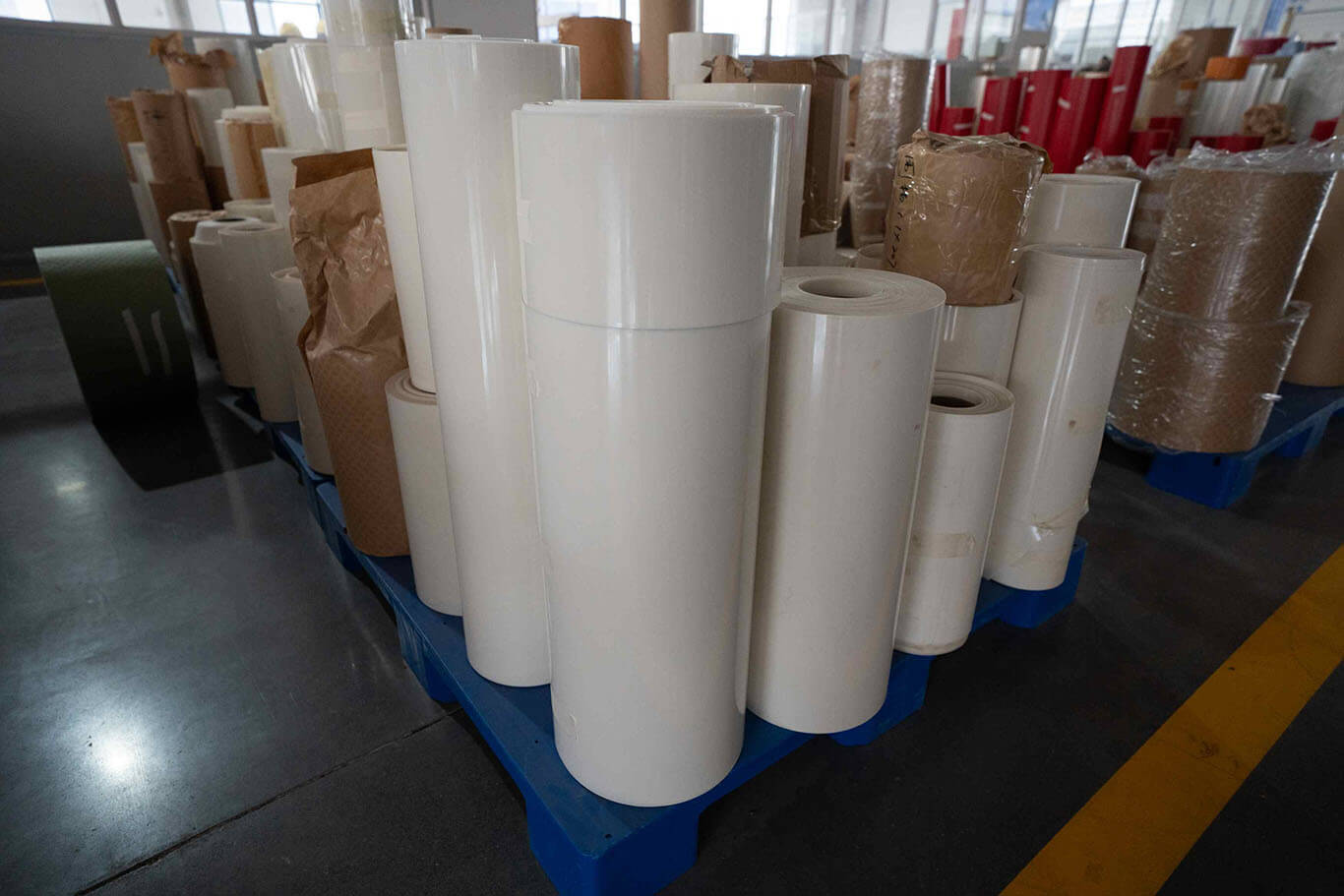
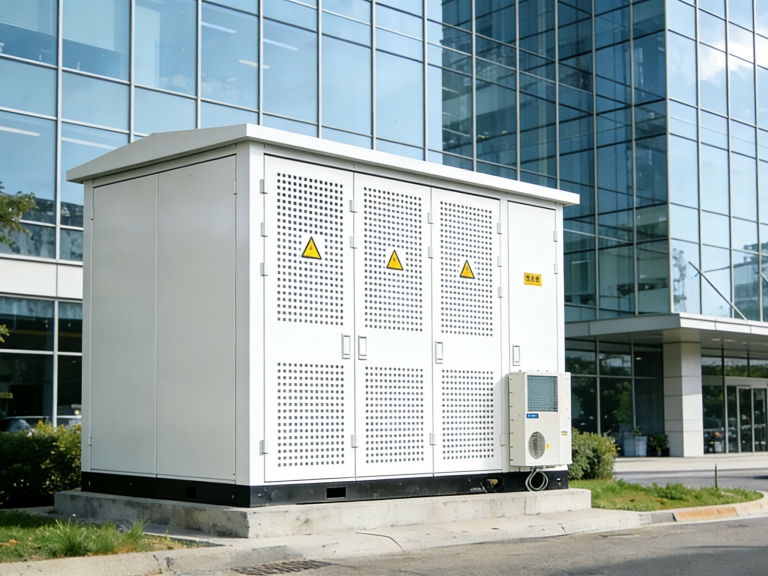
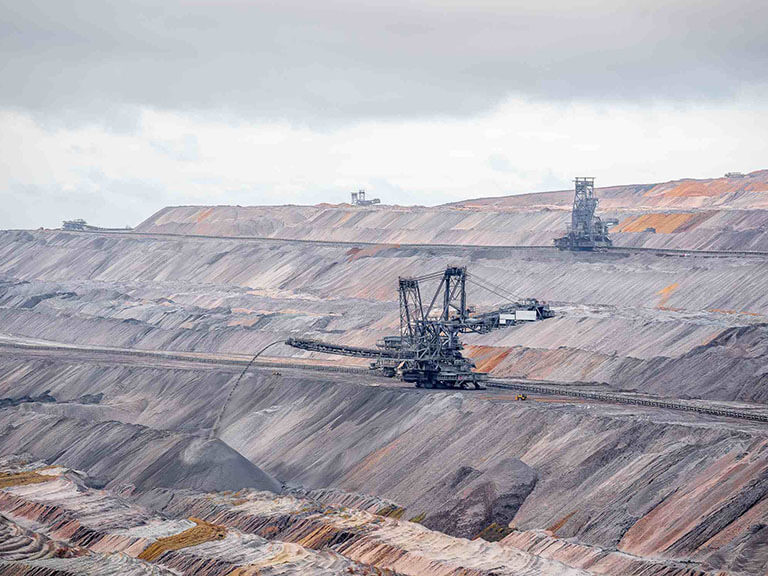
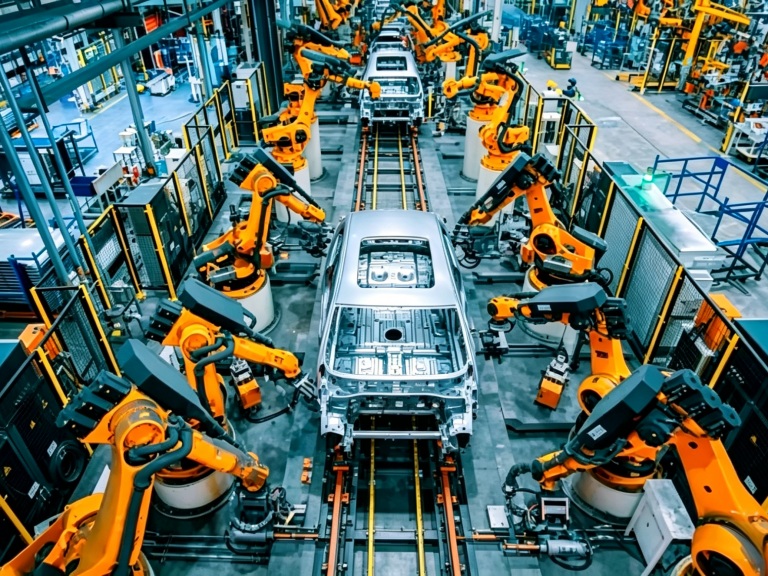
Applications of Transformer Insulation Materials
Project References & Global Applications






“We’ve been sourcing transformer insulation materials from Wondon for multiple utility projects, and the consistency has been excellent. The materials show strong dielectric performance and hold up well under high temperatures.”

“Wondon provided customized insulation components for our transformer production line. The precision and quality significantly improved our assembly efficiency and reduced failure rates.”

“What stands out about Wondon is their reliability and responsiveness. Their insulation materials perform well even in humid environments, and deliveries have always been on time.”

FAQs about Transformer Insulation Materials
1. What are transformer insulation materials used for?
They provide electrical insulation, prevent short circuits, and protect transformers from overheating and electrical failure.
2. What types of insulation materials are commonly used in transformers?
Common types include insulation paper, cardboard, and composite insulation materials.
3. How do I choose the right insulation material for my transformer?
Consider voltage level, thermal class, operating environment, and compatibility with other insulation systems.
4. What is the importance of thermal class in insulation materials?
Thermal class defines the maximum operating temperature the material can withstand without degrading, directly impacting lifespan.
5. How can insulation materials affect transformer lifespan?
High-quality materials reduce electrical stress, resist aging, and improve heat dissipation, significantly extending transformer service life.

We are the Wondon sales team. Share your project details and requirements with us, and we’ll provide timely consultation and quoting services.

Qiang Chen
Chief Executive Officer

Tracy Lee
Operations Specialist

Hannah Wu
Sales

Get More Benefits Since Submit The Info Form
We respect your privacy and will keep all your information confidential.
What Can We Do To Help?
If you would like information about pricing and delivery, our sales team will contact you shortly, with everything you need for your project.