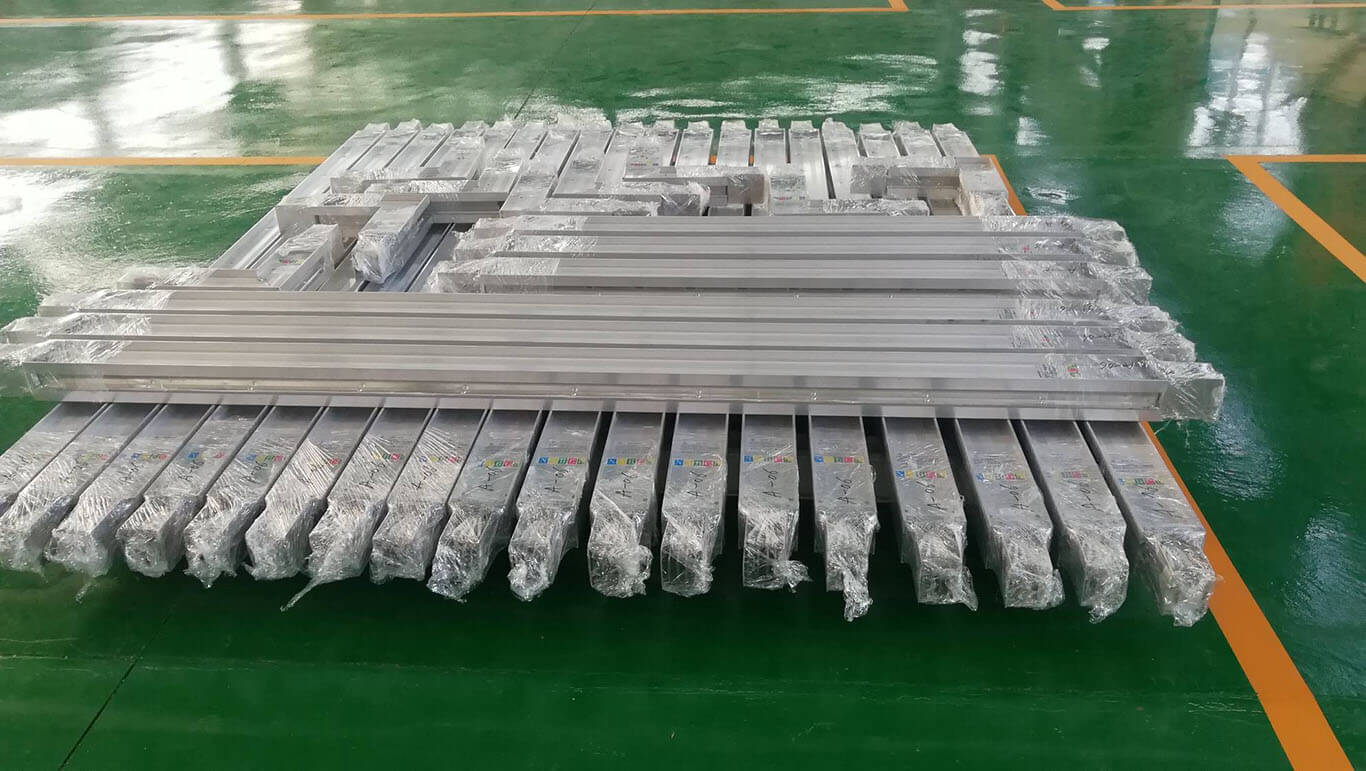

When selecting low-voltage busbar trunking, three key factors are paramount: aligning with actual electrical load requirements, adapting to the specific on-site installation environment, and meeting overall safety and protection standards. During the actual procurement and selection process, focus specifically on these eight parameters to ensure a practical and easily implementable solution.
1. Rated Current
Select the current specifications based on the actual electrical load of the equipment. For standard applications, it is recommended to maintain a current margin of 20%–30%. This prevents overheating and premature aging of the wiring caused by prolonged operation at full load.
2. Short-Circuit Withstand Capability
This parameter directly determines the busbar’s ability to withstand electrical surges—and thus its fundamental safety threshold—in the event of a short-circuit fault. Selection must be strictly aligned with the maximum short-circuit current of the distribution system to prevent equipment burnout during a fault condition.
3. Protection Class
Select the specifications strictly according to the on-site environmental conditions. For standard indoor environments, IP54 is typically sufficient; however, for harsh outdoor environments characterized by high humidity or dust, IP65 or higher is the preferred choice.
4. Conductor Material
The conductive material directly impacts power transmission efficiency, service life, and overall project cost. Copper busbars offer superior conductivity, lower power loss, and greater durability; aluminum busbars provide excellent cost-effectiveness and are well-suited for standard operating conditions with limited budgets.
5. Temperature Rise
This is a critical metric for the long-term, continuous operation of equipment, directly impacting power supply stability. The lower the operating temperature rise, the more effective the heat dissipation; this ensures greater long-term power stability and a reduced probability of failure.
6. Structure and Installation Method
The choice of structure and installation method should be made flexibly, taking into account the available on-site installation space, cable routing layout, and construction conditions. Common configurations—such as compact, air-insulated, and plug-in types—are available to suit a variety of building structures and installation environments.
7. Plug-in Unit Scalability
This factor addresses the ease with which future modifications or equipment additions can be implemented. Flexible plug-in interfaces facilitate the convenient addition of new electrical loads and capacity expansion during subsequent system upgrades.
8. Certification Standards
Compliance certification serves as the fundamental basis for equipment interoperability and safety compliance. Priority should be given to products that meet universally recognized international standards—such as IEC and UL—to ensure full compliance with project acceptance criteria and regulatory requirements.