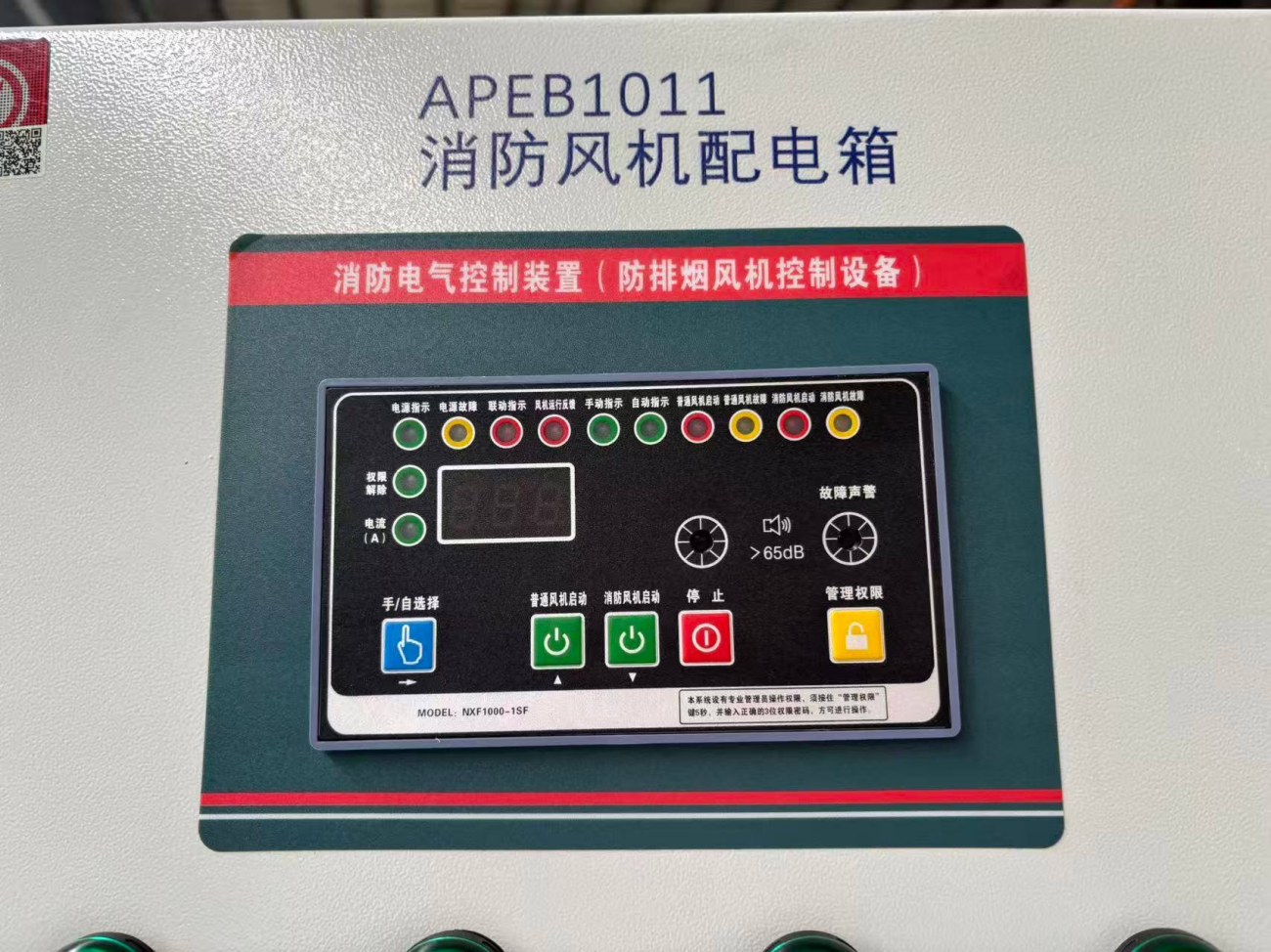

Understand the working principle of the power control panel and how it distributes power and controls equipment to achieve stable system operation. The working principle of the power control panel is to receive incoming power, distribute it to various loads, and then coordinate the operation of switching control equipment according to control signals.
During normal operation, power enters the power control panel from the main power supply, passes through the main switch and protection components, and is then distributed to multiple output circuits. Each circuit supplies power to a specific device, such as a motor, pump, fan, or production equipment. This distribution method ensures that power is delivered to each device in an orderly and controllable manner.
The power control panel also receives and processes various control signals, which may come from manual control devices, preset programs, or external control systems. After receiving a command, the internal switching devices connect or disconnect power to the corresponding load.
In many applications, equipment cannot run randomly but must operate in a specific sequence. The power control panel manages this process by controlling the sequence of switching actions, avoiding current surges caused by starting multiple large devices simultaneously, thereby ensuring stable system operation.
During operation, the power control panel continuously maintains the connection between the power source and the working loads and adjusts power distribution at any time according to demand. When one circuit stops or starts, other circuits are not affected. This flexible control method allows multiple devices to operate independently while working under unified coordination.