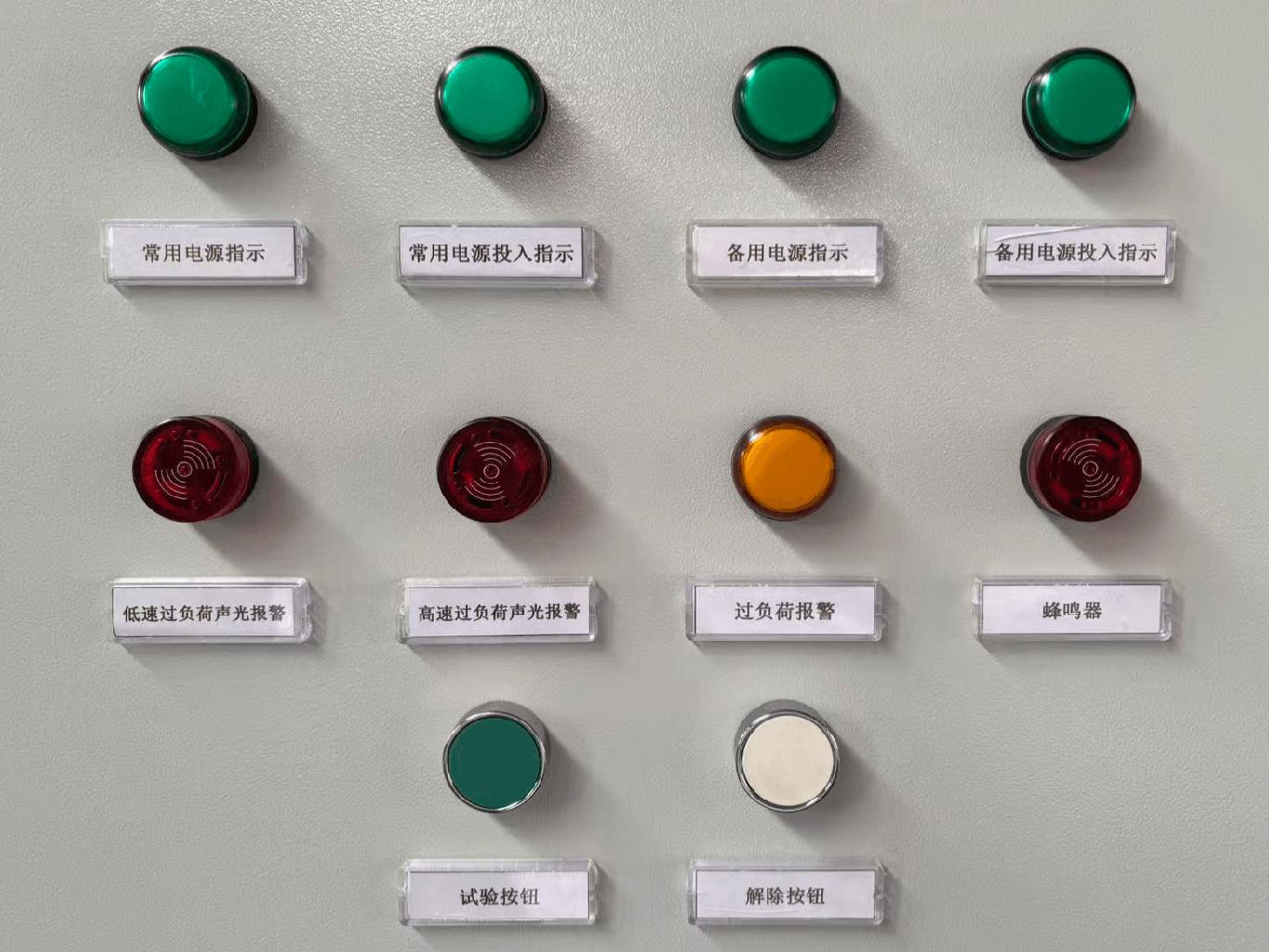

Choosing a suitable power control panel requires considering load type, capacity, environment, and future expansion needs. The correct selection helps coordinate multiple electrical devices, improve reliability, and reduce the risk of unexpected downtime.
1. Load type and quantity
Motors, pumps, compressors, production machinery… different devices require different control methods. The more loads connected, the higher the complexity of the control panel. If multiple machines operate simultaneously, the power control panel must be able to coordinate and manage multiple circuits.
2. Load capacity
Calculate the total electricity consumption of all devices clearly, select a power control panel with sufficient current rating, and leave some margin in case equipment is added or upgraded later. In power distribution design, the capacity matching is generally evaluated together with low-voltage switchgear as well.
3. Control requirements
Some systems only need a simple start‑stop function from the power control panel, while others require complex sequence control or multi‑device coordination.
4. Installation environment
Environmental conditions affect the choice of enclosure protection and structural design. Choosing a control panel that suits the installation environment helps improve durability, reduce maintenance frequency, and ensure long‑term stable operation.
5. Maintenance and future expansion
A well‑laid‑out panel with clearly labeled circuits makes daily inspection and troubleshooting easier. At the same time, reserving spare capacity and flexible layout allows new equipment to be added later without major changes. For example, it is also more convenient to later connect to a lighting control panel or other control systems.