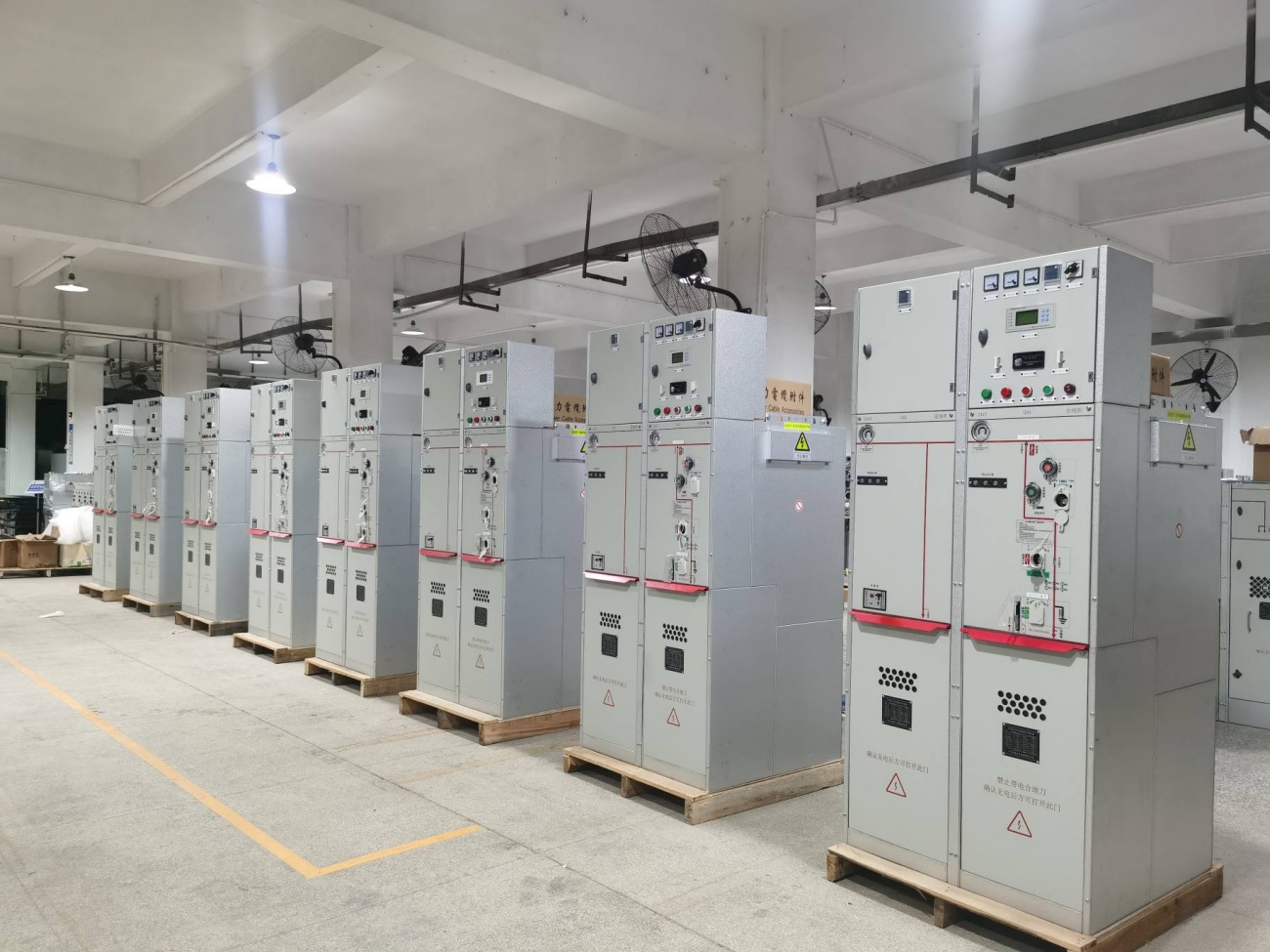

Understand key factors such as load, voltage, and installation conditions, and understand how to choose the right medium voltage switchgear. The right choice can ensure stable system performance, reduce the risk of unexpected failures, and support long-term operational reliability. Since different project conditions vary greatly, understanding the key factors for selection in advance can help avoid increased costs from later design changes and maintenance.
1. System voltage level
The design of medium voltage switchgear must precisely match the system voltage, ensuring that insulation performance and safety distances meet the requirements.
2. Load requirements
The total power consumption of the project and future expansion needs will affect the rated power and total capacity of the medium voltage switchgear. Whether it is an industrial plant, a commercial complex, or a renewable energy project, loads often change over time. Accurately assess the load and leave an appropriate capacity margin for the equipment.
3. Installation environment
Medium voltage switchgear is typically installed in places with variable environmental conditions. If the protection level is insufficient, environmental factors will accelerate equipment aging. Choosing switchgear designed for actual site conditions helps maintain long-term reliability and reduce maintenance frequency.
4. Safety and protection requirements
Good medium voltage switchgear, when encountering faults such as short circuits or overloads, can quickly isolate the fault and minimize damage to the system.
5. Project application type
Industrial plants, utility substations, commercial developments, and renewable energy projects each have different operational priorities. Understand the operational goals of the project to ensure that the selected medium voltage switchgear can be smoothly integrated into the entire power system.