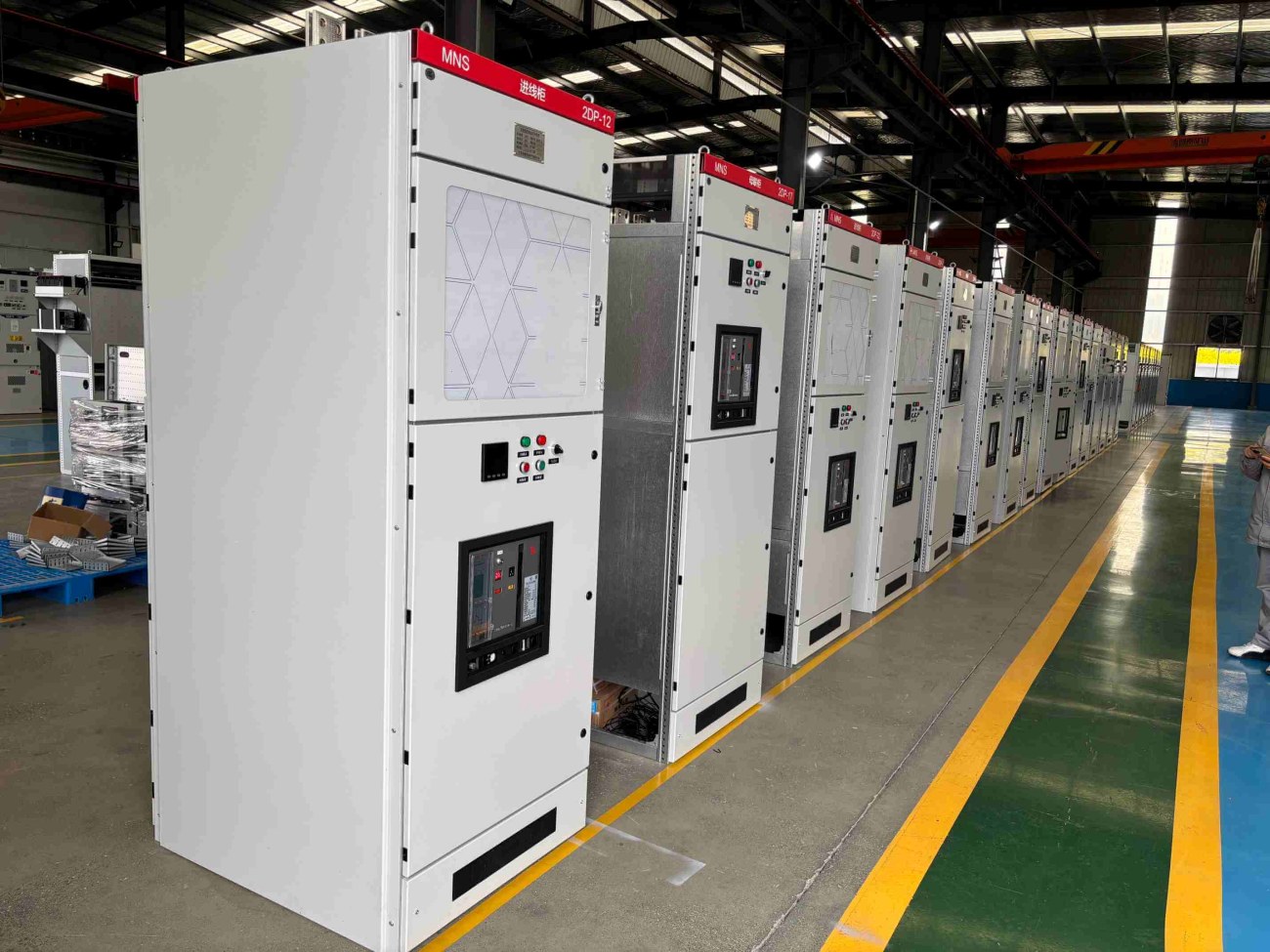

Choosing the right low voltage switchgear is the key first step in designing a safe, stable, and efficient power distribution system. Low voltage switchgear is like the “traffic control center” of the entire power distribution system. To choose the right solution, you need to first understand: system requirements, operating environment, and long-term usage needs.
1. Electrical load requirements
Understand which loads the system needs to power, including total power, voltage, and how much current each device requires.
If the capacity is too small, problems such as overheating, sudden shutdown, or even equipment damage may occur. On the other hand, if the capacity is too large, costs increase without bringing any real benefit.
2. Safety protection requirements
The electrical system must respond quickly and reliably to abnormal conditions such as overload or short circuit.
Good low-voltage switchgear should have effective protection functions. Once a fault occurs, it can cut off the current in time, reducing equipment damage, electrical fire, and outage risks.
3. Consider the installation environment
Where the low voltage switchgear is installed directly affects its performance and service life. Temperature, humidity, amount of dust, and ventilation quality all need to be considered.
4. Leave room for expansion
Plan for flexibility during the design phase. Choosing low-voltage switchgear that supports future expansion can reduce the trouble of large-scale retrofitting later.
5. Reliability and long-term performance are most important
When selecting low voltage switchgear, high-quality materials, solid structural design, and reliable internal components are all guarantees of long-term reliability. When selecting low voltage switchgear, high-quality materials, solid structural design, and reliable internal components are all guarantees of long-term reliability.