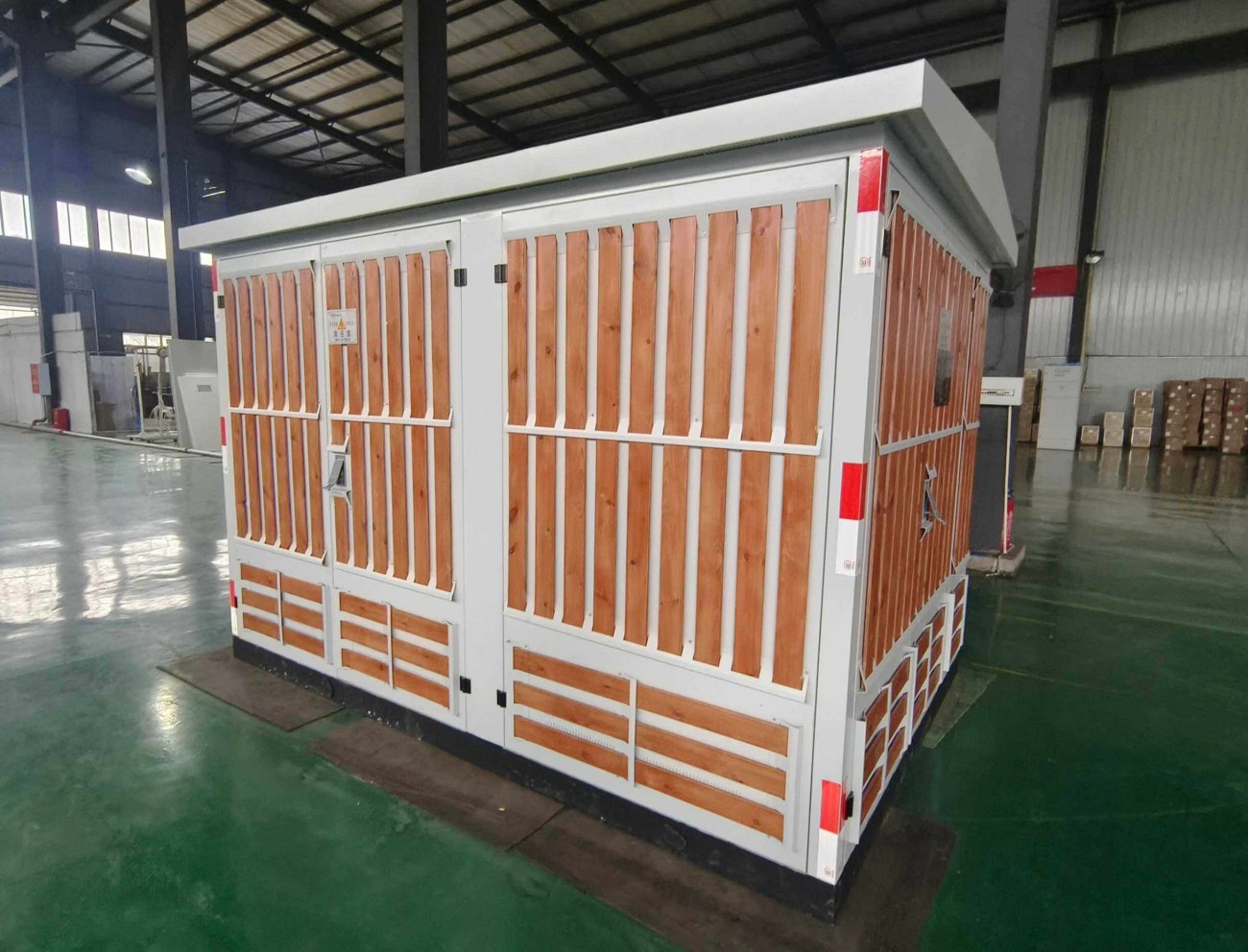

A suitable substation is very important for both industrial projects and utility projects, as it ensures a stable power supply and protects equipment.
1. Total load demand of the project
Every power system requires a certain amount of electricity to drive equipment, lighting, and various auxiliary facilities. Before selecting a substation, it is best to estimate the total electrical load. This includes not only the current power consumption but also possible future increases in demand.
2. Required voltage level of the system
Depending on the scale and application, the voltage level used may vary. The substation must match the incoming supply voltage while also meeting the voltage requirements of the equipment or the distribution network. If the voltage does not match, the equipment will either run poorly or be unsafe.
3. Installation environment
Industrial sites may have dust, high temperatures, vibration, and limited space; utility projects are mostly installed outdoors, exposed to wind, sun, rain, and moisture. Choosing equipment that matches the installation conditions can prevent premature damage and reduce the frequency of maintenance.
4. Future expansion planning
If you select a substation only based on current needs, it will be problematic when capacity becomes insufficient later. Planning for some growth space in advance allows the system to handle additional loads without major modifications. Leaving some margin from the beginning saves time and reduces future costs.
5. Ease of operation and maintenance
A substation is a long‑term asset that must be used for many years and requires regular inspection and maintenance. Choosing a design that is easy to access and has a clear layout makes maintenance much easier and safer.
6. Different needs of industrial and utility applications
For industrial applications, attention must also be paid to equipment diversity. Factories typically have motors, heating systems, and automation equipment, each with different power demands. The substation must be able to support these varying loads while maintaining system stability, so as to ensure the reliable operation of the factory power distribution system.
For utility applications, the focus is often on reliably supplying power to large areas and managing power distribution for many users. Understanding these differences helps you select a substation that truly fits your specific application scenario.