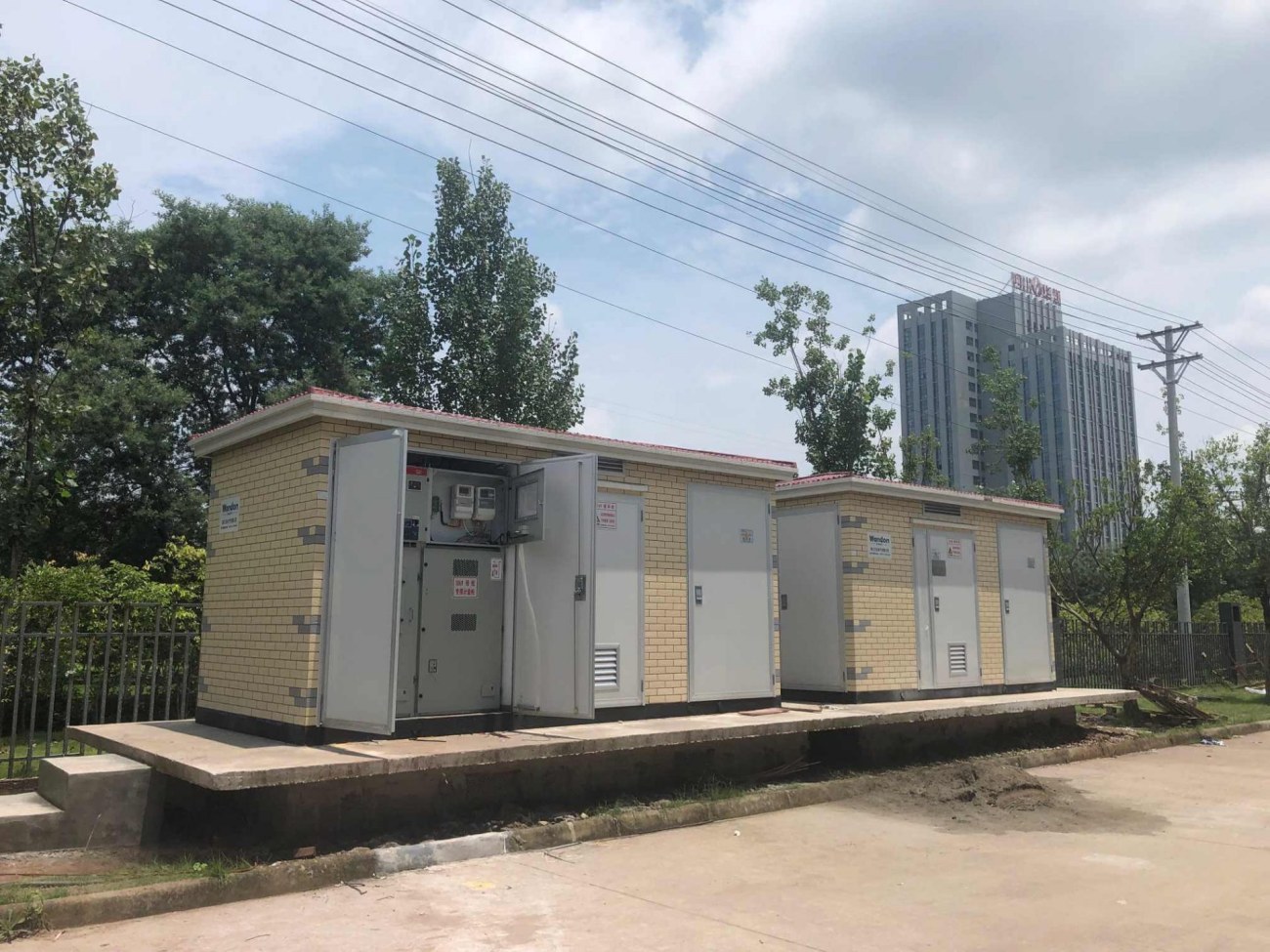

Airports, railway stations, hospitals, water plants, street lamps – these public facilities need to operate normally every day. Behind them lies a stable and reliable low-voltage power distribution system. It is responsible for safely delivering electricity to every corner, ensuring that equipment never stops and services are never interrupted.
1. Low-voltage power distribution requirements for public utility and infrastructure projects
Such places typically operate continuously around the clock and serve a large number of people. Therefore, the top priority for low-voltage power distribution is stability and reliability.
The low-voltage power distribution system must ensure that “wherever and whenever electricity is needed, it is available”, thus supporting the stable operation of critical infrastructure.
2. What electrical equipment is commonly used in low-voltage power distribution?
• Power distribution panels: It distributes electricity to different circuits.
• Circuit breaker: In places with large fluctuations in electricity load (e.g., subway stations during morning and evening rush hours), circuit breakers prevent overloads or short circuits from burning out equipment.
• Busbar trunking system: Suitable for long-distance power transmission within large facilities, such as industrial parks and large transportation hubs.
A stable low-voltage power distribution system provides the assurance for reliable infrastructure operation. For more information on electrical equipment suitable for your project, please contact Wondon for professional support.