
Designing an electrical system for oil and gas projects is a critical task, requiring a thorough understanding of relevant technical requirements and safety standards. To ensure a stable power supply in complex operating environments, the electrical systems must not only possess high reliability and efficiency but also strictly comply with safety regulations. This presents not only a technical challenge but also a guarantee of sustainability and safety throughout the project’s entire lifecycle.
Step 1: Understand Project Requirements and Load Demand
The first step in designing an electrical system is to fully understand the specific requirements of the oil & gas project. Whether it’s upstream, refinery, or pipeline, the load demands vary. It’s essential to calculate the required power and plan for both critical and non-critical loads, ensuring that there is sufficient capacity to handle peak demands.
Step 2: Define Power Distribution Architecture
A well-designed power distribution system is essential for continuous operation. Common structures include radial systems and ring networks, each offering distinct advantages in terms of reliability and ease of maintenance. A redundant power supply is often necessary to minimize the risk of power failure.
Step 3: Select Key Electrical Equipment
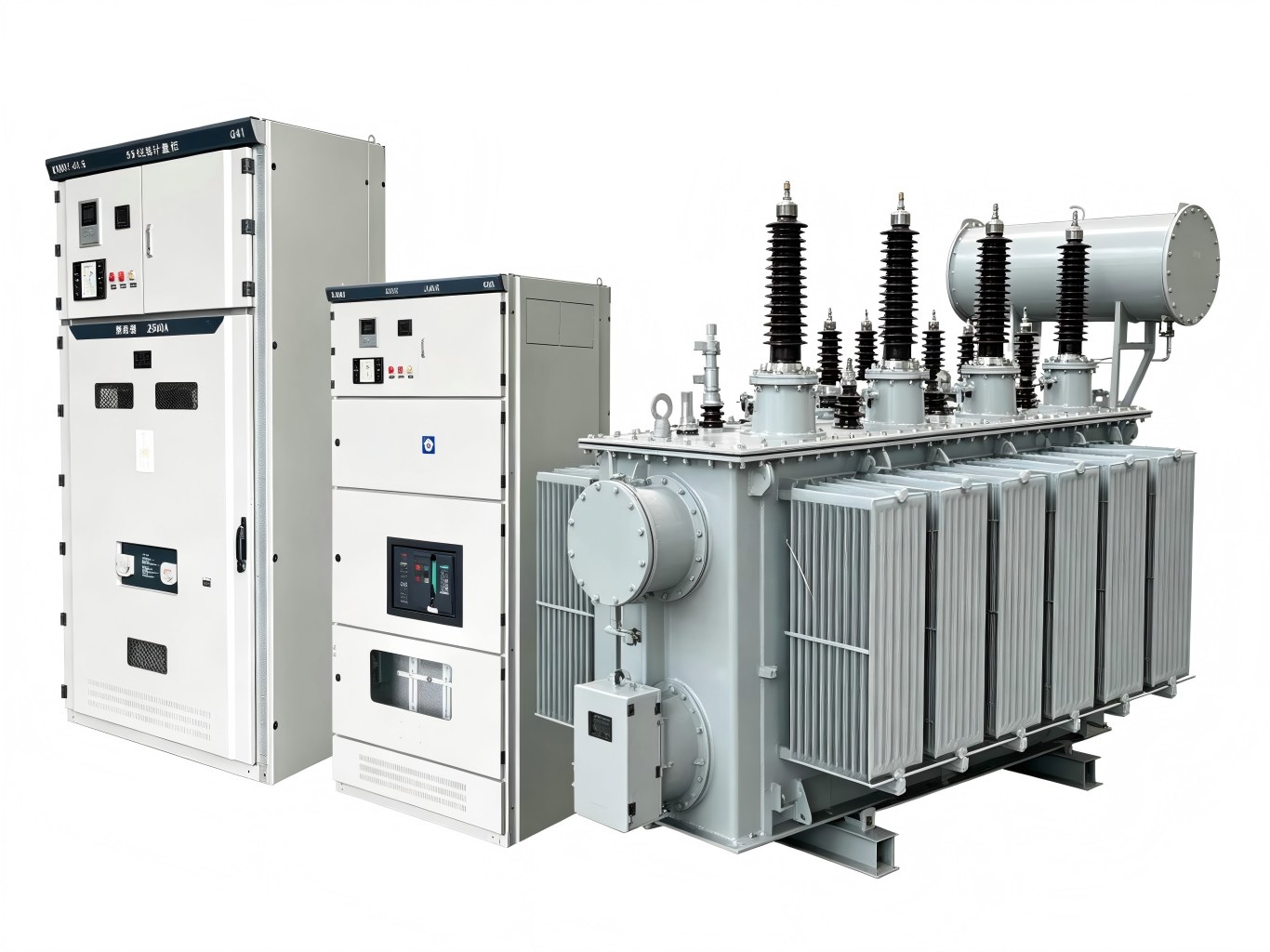
Choosing the right electrical equipment is crucial for the success of the project. This includes selecting power transformers, medium and low voltage switchgear, and motor control centers. Equipment must be chosen based on reliability, environmental adaptability, and ease of maintenance. Wondon offers high-quality transformers and switchgear that are ideal for harsh oil & gas environments.
Step 4: Ensure Safety and Explosion Protection
Oil & gas projects require electrical systems that meet explosion-proof and hazardous area classification standards. Proper grounding systems and protection mechanisms are essential for ensuring the safety of personnel and equipment in volatile environments.
Step 5: Integrate Control and Monitoring Systems
A modern oil & gas electrical system should integrate control and monitoring systems, such as SCADA. These systems enable real-time monitoring, fault detection, and remote management, which help to optimize efficiency and ensure quick response to any issues.
In conclusion, designing an electrical system for oil & gas projects involves multiple steps, from load analysis to equipment selection and safety measures. By partnering with trusted manufacturers like Wondon, you can ensure the reliability and safety of your electrical systems. Contact us anytime, we will provide tailored professional advice for your oil and gas projects.